Beyond Self-Care: Wellness Living and the Power of Community for Mental Health


Community at the heart of wellness living at Rukita
Today, we live in a hustle-and-bustle era, with many of us constantly on the move. Our days are filled with back-to-back meetings, academic deadlines, long commutes, and endless to-do lists. From morning until late at night, we are busy sustaining our lives—ticking off tasks from campus or work almost 24/7. In the process, we often forget to pause and take care of ourselves. It is no surprise that physical exhaustion, mental fatigue, and burnout have become common experiences.
The truth is, balance is possible. We can live healthier, more grounded lives by practicing wellness living every single day. Wellness living goes beyond individual self-care routines like exercising or journaling. It is deeply connected to the environment we live in and the people we interact with. When we live in a healthy, supportive environment, we are more likely to have a stable mind, lower stress levels, and better productivity. This is where wellness living meets social impact.
Also read: Beyond Loneliness: Rukita Helps Gen Z Connect and Thrive
Understanding Wellness Living

So, what exactly is wellness living? At its core, wellness living is a holistic approach to life that emphasizes balance across physical, mental, emotional, and social dimensions. Instead of focusing only on personal habits, wellness living looks at the bigger picture: how our surroundings, routines, and relationships shape our overall well-being.
Many people often confuse self-care with wellness living. While self-care focuses on individual actions—such as getting enough sleep, eating nutritious food, or taking breaks—wellness living is a system that shapes how we function day to day. It includes the environment you live in, the community around you, and the daily interactions that influence your mental state. Self-care is important, but wellness living ensures that self-care is sustainable.
Wellness living is especially relevant in urban settings, where stress, noise, and isolation can easily build up in everyday life. Long working hours, academic pressure, and limited social interaction can negatively affect mental health if not balanced properly. This is why wellness living plays a crucial role in mental well-being. Mental health does not exist in a vacuum—it is shaped by how and where we live.
The benefits of wellness living include reduced stress, improved emotional resilience, better focus, and a stronger sense of belonging. Its key components range from healthy routines and comfortable living spaces to social connection and supportive communities.
Community as Social Impact for Wellness Living

One of the most essential pillars of wellness living is community. Humans are social beings, and meaningful connections play a crucial role in maintaining mental health. A strong sense of community helps people feel seen, heard, and supported—reducing loneliness, which has become increasingly common in modern life.
Community creates belonging, a fundamental element of emotional well-being. Even simple interactions—such as greeting neighbors or sharing common spaces—can positively affect mental health. Over time, these small moments build familiarity, trust, and comfort.
Communities also function as informal support systems. Not every challenge requires professional help; sometimes, having someone to listen or relate to is enough. This everyday support helps individuals cope with stress, navigate difficulties, and feel less alone.
From a broader perspective, community-driven wellness living creates real social impact. It reduces loneliness, increases empathy, and fosters healthier, more caring environments. Community is not just a complement to wellness living—it is its foundation.
Also read: Living Low Carbon at Your Coliving Space: Simple Habits That Make a Real Difference
How to Achieve Wellness Living in Everyday Life

Wellness living may sound ideal, but it is achievable through small, intentional choices that fit different lifestyles.
For urban dwellers, choosing a living environment that supports social interaction is key. Access to shared spaces, green areas, and reliable public transportation can reduce daily stress. Simple routines, such as spending time in communal areas or engaging in small social interactions, can help prevent isolation in busy city life.
For students, wellness living means living in a safe and supportive environment that encourages collaboration rather than competition. A balanced space that supports both focused study and proper rest is essential. Being part of a positive community can help students manage academic pressure while maintaining their mental well-being.
For young professionals, wellness living is about reducing daily stressors. Living closer to work, in a comfortable and well-connected area, can significantly improve quality of life. Communities that allow professionals to recharge after work—through shared spaces or social activities—help create a healthier work-life balance that goes beyond managing schedules.
Ultimately, wellness living is not about living perfectly, but about living in a mutually supportive way. It is about creating environments where people can thrive together, not just survive individually.
How Rukita Supports Wellness Living Through Coliving

Wellness living becomes more achievable when it is built into our daily environment, and this is where coliving plays a meaningful role. At Rukita, wellness living is not treated as an add-on, but as a foundation of the living experience.
Rukita’s coliving units are designed to encourage healthy routines, comfort, and social connection. Thoughtfully planned shared spaces coexist with private rooms that support rest and personal boundaries, allowing residents to balance “me time” with community life—an essential element for mental well-being, especially for those living away from home.


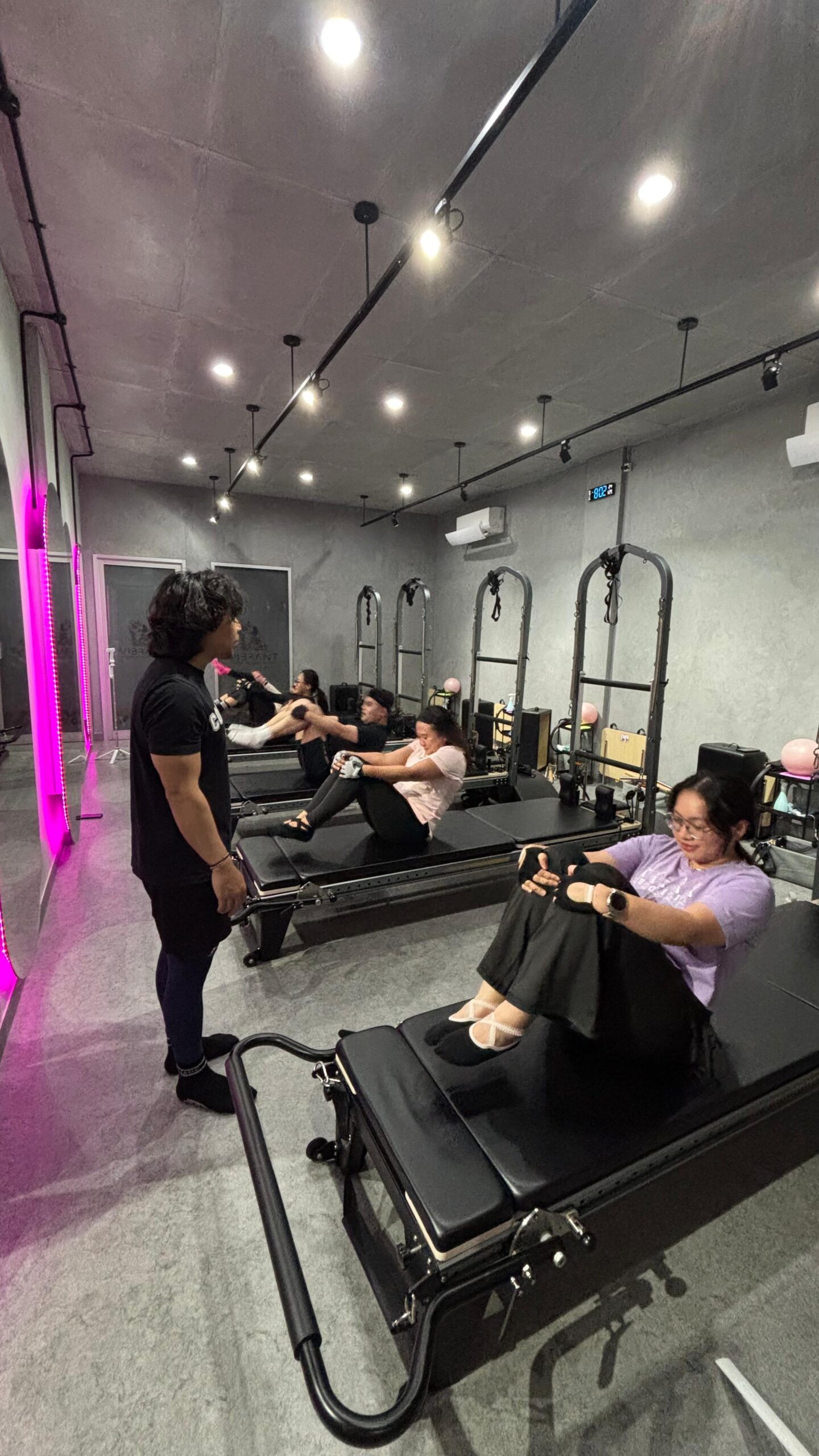
Community is one of the strongest wellness pillars in Rukita coliving. Through shared kitchens, lounges, and communal areas, residents naturally engage in daily interactions that reduce feelings of isolation. Rukita also hosts routine community events, including wellness activities and social gatherings, helping residents build meaningful connections and a sense of belonging.
Safety and convenience further support wellness living. With managed facilities, security systems, and clear house rules, residents can focus on personal growth without daily operational stress. Included services such as utilities, WiFi, and housekeeping help reduce mental load, creating a calmer and more supportive living environment.
By combining comfort, community, and thoughtful management, Rukita’s coliving ecosystem supports wellness living in practical, everyday ways—proving that mental well-being grows best when it is shared.
In the midst of today’s fast-paced life, wellness living reminds us that mental health is not something we carry alone. It is shaped by the spaces we live in, the people we interact with, and the sense of belonging we feel every day. When safe environments and caring communities come together, wellness living becomes a real social impact—one that nurtures individuals while strengthening society as a whole.
At Rukita, you don’t just find a place to stay—you become part of a supportive community designed to help you feel connected, even when you’re home away from home. Through shared spaces and regular community events, meaningful connections grow naturally. Ready to live in a home that grows with you and supports your well-being? Click the button below and start your wellness living journey with Rukita.
Applying Environmental, Social, and Governance (ESG) principles isn’t just a passing trend anymore — it’s becoming a must for companies that want to grow and stay relevant in the long run. Showing real commitment to the environment, caring about social impact, and practicing transparent governance are key to building trust with stakeholders and creating meaningful, lasting change.
ESG goes beyond simply ticking compliance boxes; it’s about how businesses can deliver wider value for society and future generations. Stay tuned for our next article, where we’ll dive deeper into practical ESG strategies and simple, actionable steps your organization can start taking right away.
Bagikan artikel ini