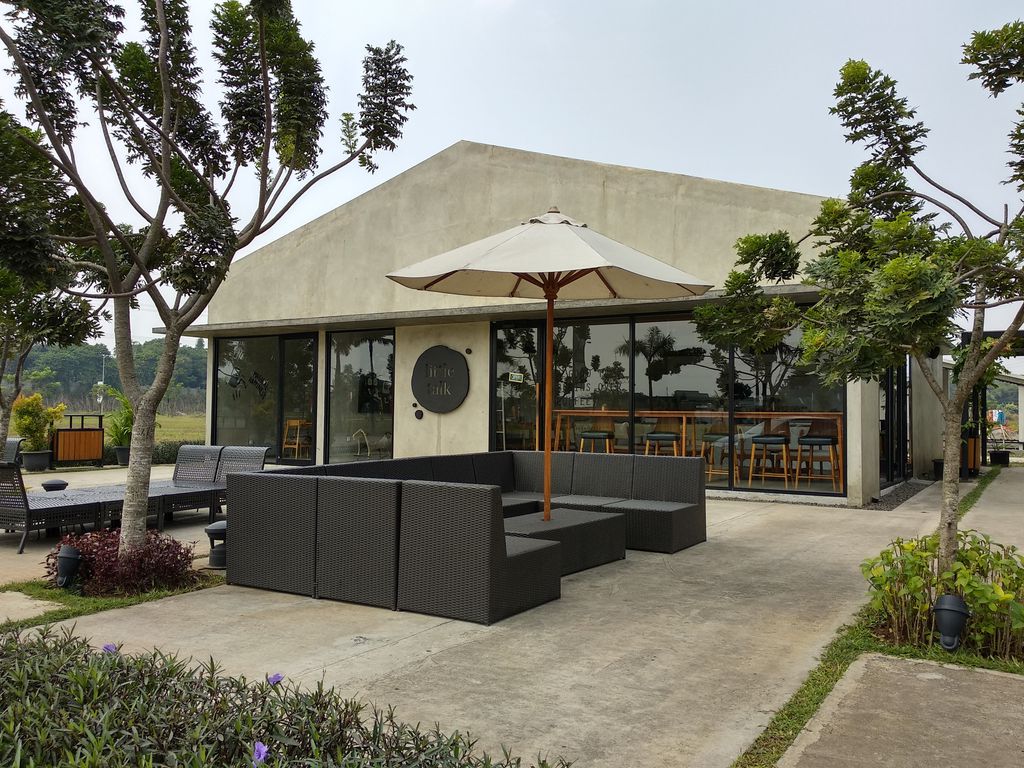
Discover the Hidden Finds of Glodok Chinatown Market Jakarta

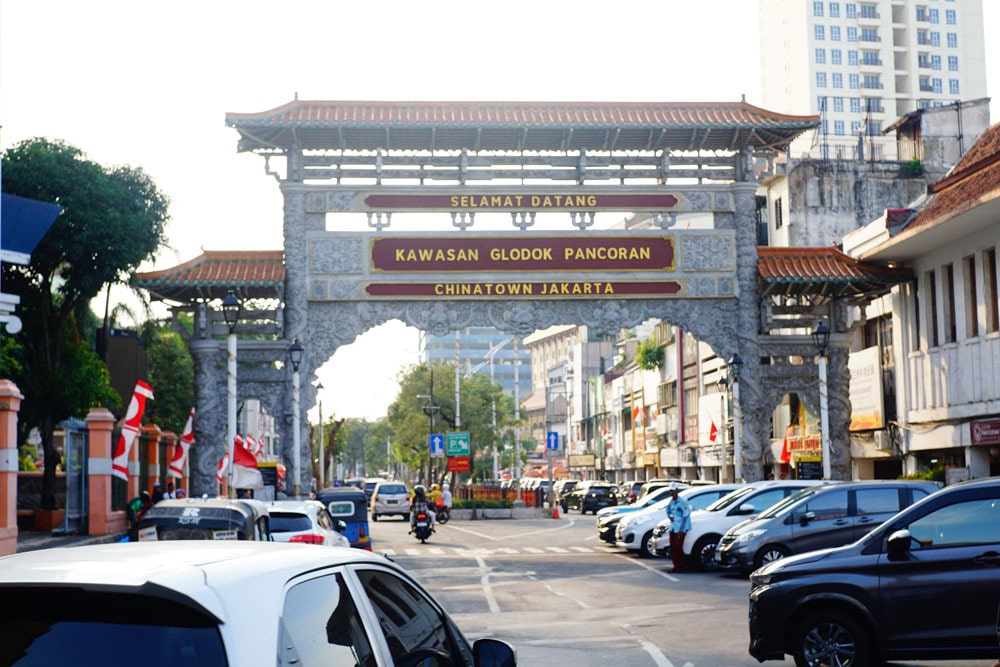
Where culture, street food, and history meet at Glodok Chinatown Market.
Jakarta can feel overwhelming when you first arrive. The city is vast, fast-moving, and layered with contrasts that take time to understand. For many expats, the introduction to Jakarta begins with modern malls, office districts, and familiar international neighborhoods. Yet the soul of the city often reveals itself in older quarters where history and daily life blend together without effort.
One of the most fascinating places to experience this side of Jakarta is Glodok Chinatown Market. Located in West Jakarta’s Kota Tua area, Glodok is widely known as the capital’s oldest Chinatown and one of the city’s most vibrant traditional trading hubs.
Walking through its streets feels like stepping into a living archive of migration, commerce, and culinary heritage. The area has long served as the center of Jakarta’s Chinese-Indonesian community, and today it remains a place where temples, food stalls, electronics shops, and family-run businesses coexist in a dense, energetic maze.
For expats, visiting Glodok is more than a shopping trip. It is a sensory journey and a cultural experience that reveals how Jakarta’s past continues to shape everyday life.
Also Read: A Complete Guide to Work in Indonesia as a Foreigner
The Cultural Heart of Chinatown Jakarta
Glodok is not simply a marketplace. It is a district shaped by centuries of history and resilience. Chinese migrants began settling in the area during the Dutch colonial era, turning it into a center of trade and entrepreneurship that still defines the neighborhood today. Over time, temples, traditional medicine shops, and markets grew around the community, creating a cultural ecosystem that continues to thrive.
Walking through Glodok’s narrow streets, expats often notice how quickly the atmosphere changes from modern Jakarta to something more intimate and traditional. Red lanterns hang above shopfronts, the scent of incense drifts from temples, and handwritten signs advertise herbal remedies and dried goods.
Unlike the polished shopping malls found across Jakarta, Glodok offers an experience that feels raw, authentic, and deeply local. This is where Jakarta slows down, even while it remains busy.
1. A Walk Through Petak Sembilan Market
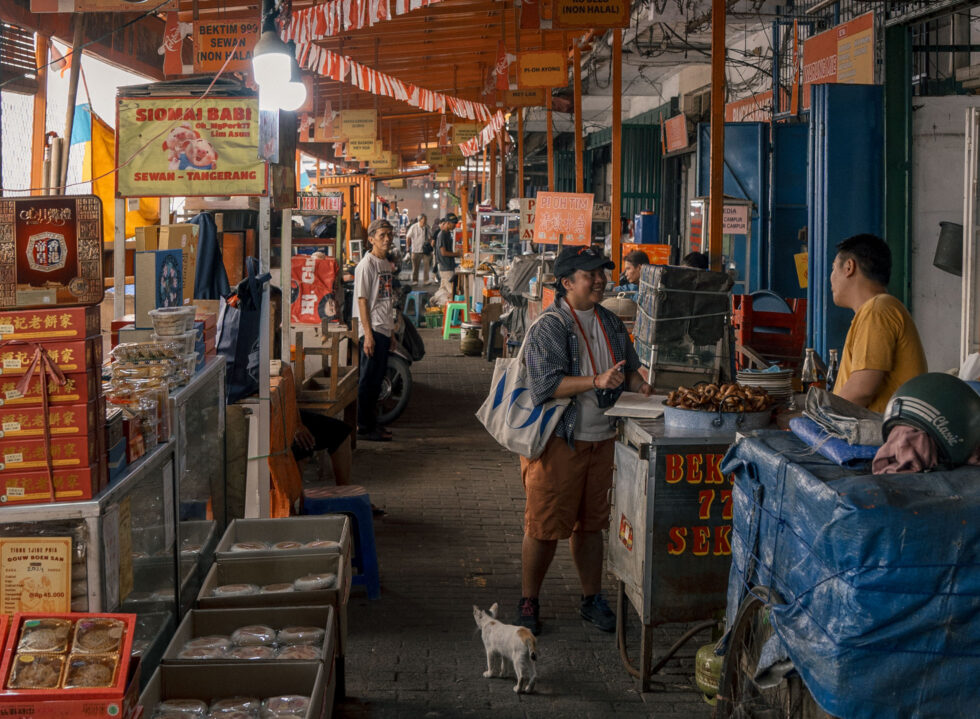
At the center of Glodok lies Petak Sembilan Market, the most iconic part of the Chinatown trading area. This is where most visitors begin their exploration, and it quickly becomes clear why the market has become legendary among locals.
The streets here are dense with vendors selling everything from spices and dried seafood to ceremonial items and kitchenware. It is a place where daily life unfolds in full view. Elderly residents bargain over vegetables, restaurant owners search for ingredients, and visitors wander through narrow corridors lined with colorful goods.
Petak Sembilan is also home to several historic temples, including the famous Vihara Dharma Bhakti, one of the oldest Chinese temples in Jakarta. The temple stands as a reminder that Glodok is not only a commercial district but also a spiritual center for the community.
For expats unfamiliar with traditional Asian markets, the experience can feel chaotic at first. Yet after a few minutes, the rhythm becomes surprisingly comfortable. Conversations blend with the sounds of cooking, bargaining, and laughter. The market feels alive in a way that modern retail rarely does.
2. Hidden Shopping Finds and Unique Souvenirs
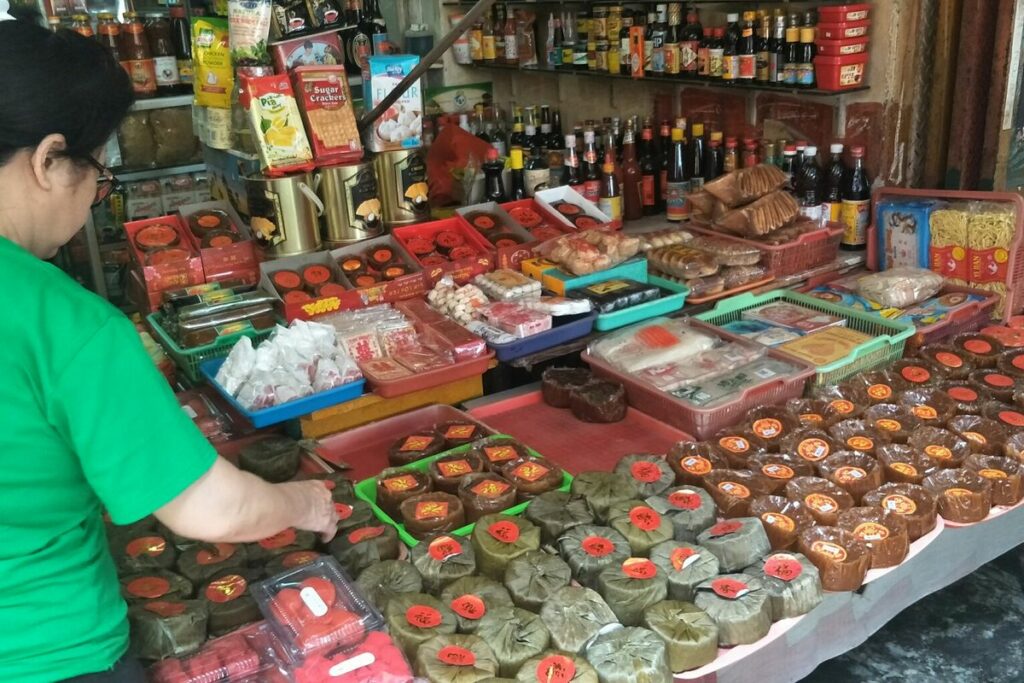
Glodok has long been known as Jakarta’s electronics hub, but the shopping experience goes far beyond gadgets. The market is filled with unexpected finds that make it one of the city’s most interesting places to explore.
Traditional Chinese medicine shops display jars of herbs, dried roots, and natural remedies that have been used for generations. Nearby, small stores sell lanterns, calligraphy supplies, and festive decorations often used during Lunar New Year celebrations. Visitors can also find specialty teas, imported snacks, and kitchen tools that are difficult to locate elsewhere in Jakarta.
The joy of shopping in Glodok comes from discovery. Unlike malls where everything is predictable, Glodok rewards curiosity. A small alley may lead to a decades-old shop specializing in porcelain bowls. A quiet corner might reveal a family-run store selling handmade incense. This unpredictability is exactly what makes the experience memorable.
3. A Street Food Paradise Waiting to Be Explored
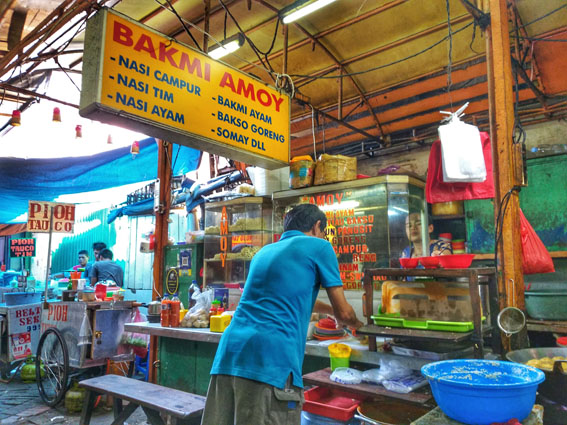
For many visitors, Glodok is synonymous with food. The neighborhood is widely regarded as one of Jakarta’s most exciting culinary destinations, especially for those curious about Chinese-Indonesian cuisine.
Gang Gloria is one of the most famous food streets in the area. Here, long-standing eateries serve noodle dishes, dumplings, and soups that have been perfected over decades. Nearby, Jalan Pancoran and Petak Sembilan are filled with food stalls offering dim sum, herbal drinks, and traditional desserts.
Street snacks are part of the experience. Visitors often try cakwe, a fried dough snack served with soy milk, or kembang tahu, a silky tofu dessert in ginger syrup. On hot days, a bowl of es campur, a colorful iced dessert made with fruit, jelly, and syrup, becomes the perfect refreshment.
Reddit travelers and locals frequently recommend Glodok as a must-visit breakfast destination, with one user suggesting visitors try old-school coffee at Tak Kie, describing it as a classic Chinatown morning ritual.
Food in Glodok is not just about taste. It is about continuity, memory, and the passing of recipes through generations.
4. Temples, Traditions, and Everyday Spiritual Life
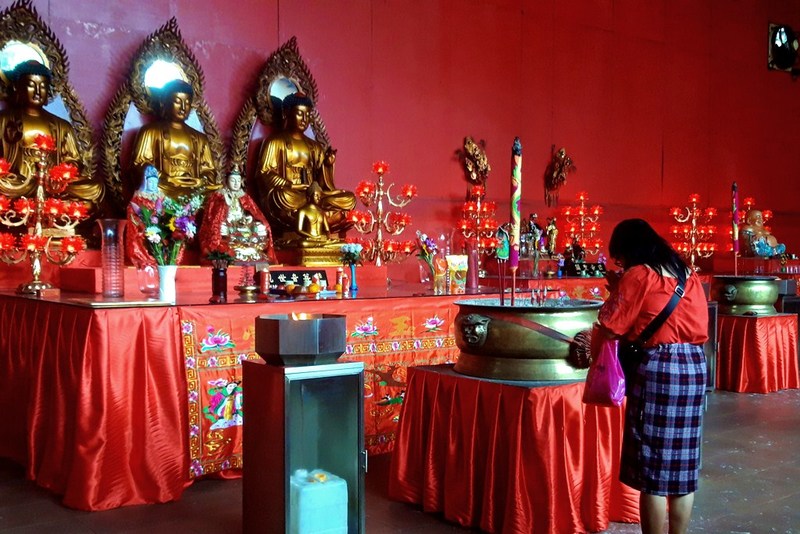
Beyond shopping and food, Glodok is also a spiritual district. Temples play a central role in the neighborhood’s identity, and visitors often encounter worshippers lighting incense and offering prayers throughout the day.
The presence of temples reflects how spirituality remains intertwined with daily life in Jakarta. For expats, witnessing these rituals provides a deeper understanding of the cultural diversity that shapes the city. These quiet moments offer a striking contrast to Jakarta’s busy urban image.
Practical Tips for First-Time Visitors
Exploring Glodok requires a slightly different mindset compared to visiting Jakarta’s malls or tourist districts. The best way to experience the area is on foot, allowing time to wander and explore side streets without a strict itinerary.
Morning visits are ideal for breakfast and market activity, while late afternoons bring a lively street food atmosphere. Comfortable clothing and curiosity are the only essentials needed.
For expats, visiting with local friends can add even more depth to the experience, as many hidden food spots are discovered through personal recommendations rather than maps.
Experiences like exploring Chinatown often spark a deeper desire to feel connected to the city. Many expats eventually realize that their experience of Jakarta depends not only on where they go, but also on where they live.
This is why co-living spaces such as Rukita have become increasingly appealing for international residents. Living in a Rukita residence offers more than a private room. It creates opportunities to meet neighbors, share experiences, and discover Jakarta together. Conversations about weekend food trips or hidden markets often begin in shared kitchens or communal spaces.
Over time, these everyday interactions make the city feel smaller, friendlier, and easier to navigate. Exploring Glodok Chinatown Market may begin as a weekend outing, but it often becomes part of a larger journey toward understanding Jakarta as a place to call home.
Want to find a comfortable, modern, and strategically located apartment to stay in? Rukita offers many kinds of apartments that you can rent to live a more comfortable life.
Don’t forget to download Rukita app via Google Play Store or App Store or visit www.rukita.co. Follow Rukita’s Instagram account @rukita_indo, X account @rukita_id, and TikTok account @rukita_id to get the most recent information and other interesting deals!
Bagikan artikel ini