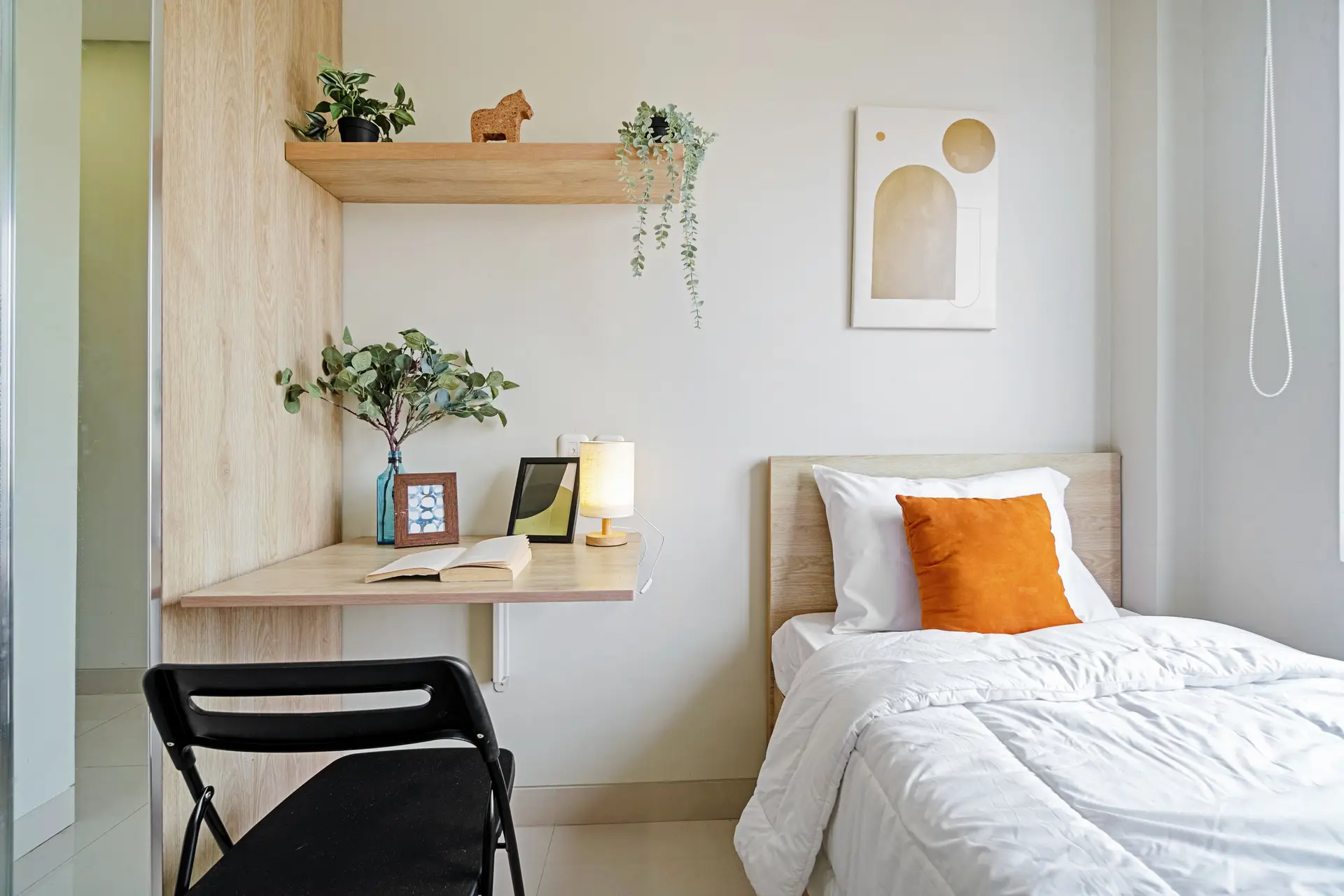
Living Low Carbon at Your Coliving Space: Simple Habits That Make a Real Difference

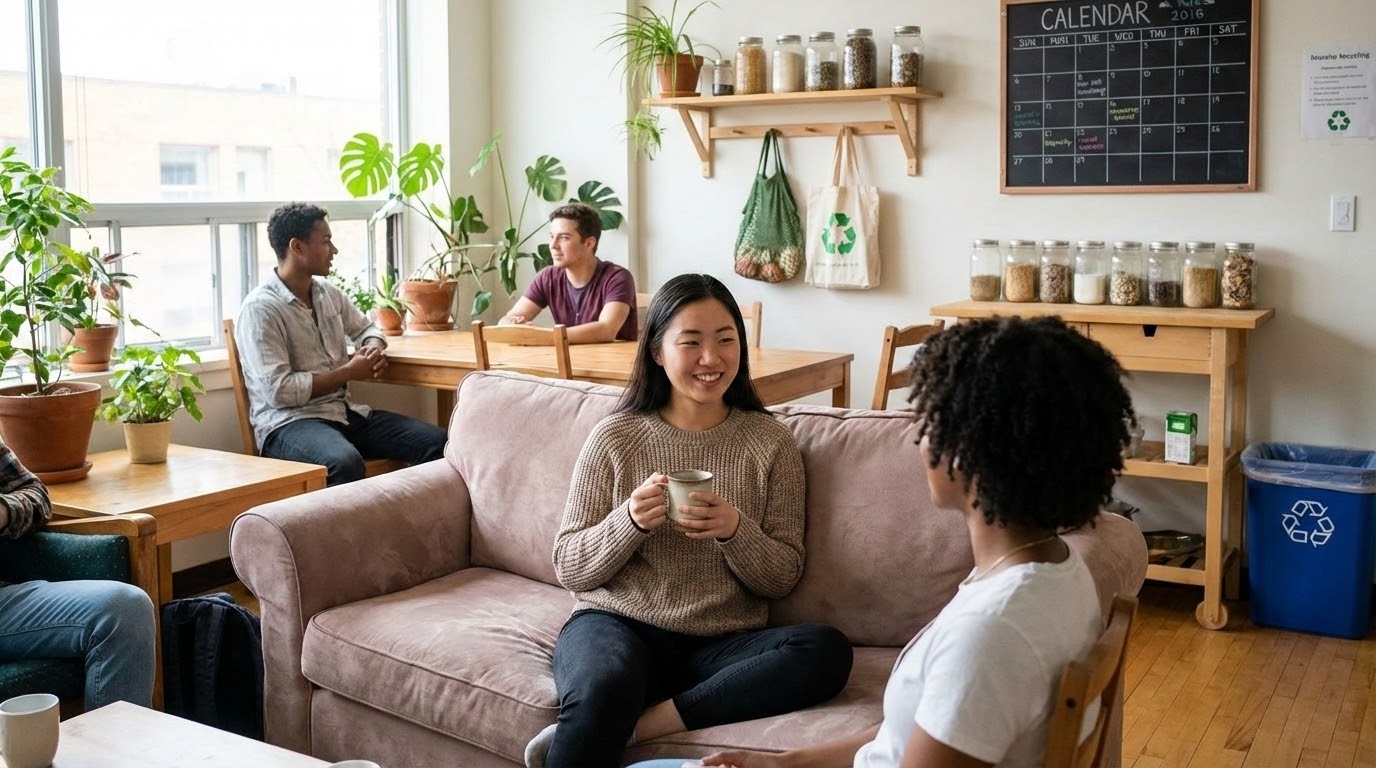
Find realistic steps to reduce low carbon emissions you can start today.
If you’ve heard the term “low carbon” but never really understood what it means, you’re not alone. Many people assume that reducing carbon emissions is only the responsibility of big companies or government projects.
In reality, the low-carbon meaning is much simpler: making everyday choices that produce fewer carbon emissions. Yes—everyday choices! This implies that even individuals residing in coliving spaces can meaningfully reduce their low carbon footprint.
The best part? You don’t need fancy tools, expensive technology, or a complete lifestyle overhaul. Living low carbon aligns well with the practical, intentional lifestyle many coliving residents already follow—simple, mindful, comfortable, and efficient.
In this article, you’ll find realistic steps you can start today, plus basic knowledge about how coliving spaces can support ESG efforts through low-carbon living and the shift toward low carbon energy and low carbon power solutions.
Also read: Loneliness Among Gen Z: How Rukita Builds Coliving That Bring People Together
Understanding the Basics: What Is Low Carbon?
Before diving into daily habits, let’s explore the concept itself in an educational but friendly way about low carbon meaning.
1. Low carbon in simple words
“Low carbon” refers to a lifestyle, system, or product that produces fewer carbon emissions, especially carbon dioxide (CO₂), compared to conventional options. It’s about making choices that reduce pollution, environmental impact, and our overall low carbon footprint.
2. Why carbon matters
Carbon emissions trap heat in the atmosphere, contributing to global warming. When too much is produced from transportation, electricity, food production, and manufacturing, it disrupts natural balance, leading to hotter temperatures, unstable weather, and environmental damage.
Reducing carbon doesn’t solve everything at once, but it significantly slows down environmental decline, especially when supported by evolving carbon technologies.
Low Carbon Lifestyle in Coliving: Simple Steps, Big Impact
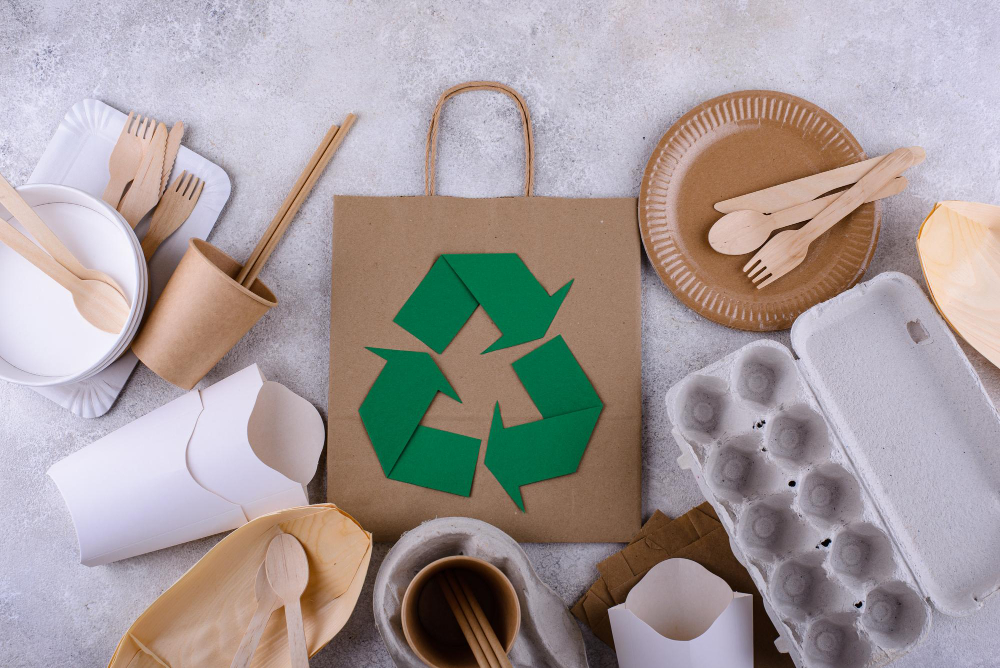
Low carbon practices touch many parts of our daily routine from how we move around, the electricity we use, and the materials we choose to the meals we eat and even how we shop. Here are some practical examples you can start applying today.
1. Choosing low carbon mobility
Transportation is one of the biggest contributors to carbon emissions. But adopting low carbon mobility doesn’t require a major lifestyle overhaul. It can be as simple as:
- Walking to nearby cafés, minimarkets, or campus
- Using a bicycle for short trips
- Taking public transport like KRL, MRT, or buses
- Carpooling with friends when going to the same destination
Aside from lowering emissions, these options are more affordable and often healthier. So it’s a win on multiple fronts.
2. Practicing low carbon electricity in your room
Many coliving spaces now include low carbon energy features such as LED lighting, efficient appliances, or even solar panels forms of low carbon power that help reduce daily emissions.
Still, as residents, we can contribute through simple, thoughtful habits:
- Turn off lights and AC when you don’t need them
- Set AC to a more eco-friendly temperature (around 24–26°C)
- Use fans during cooler weather
- Unplug chargers and devices when not in use
Small actions, big impact on both the environment and your monthly bills.
3. Choosing low carbon meals
Food also leaves a carbon footprint, though we often don’t realize it. Low carbon meals usually involve:
- Local produce
- Plant-based ingredients like tempeh, tofu, legumes
- Home-style meals with minimal packaging
- Reduced consumption of red meat
This doesn’t mean you must completely change your diet. Even slightly increasing your intake of plant-based dishes already helps reduce emissions.
For coliving residents, low carbon food can be as simple as grabbing veggie dishes from a nearby warung, enjoying gado-gado or pecel, choosing tofu or tempeh meals, or blending up a smoothie with local fruits. All tasty, wholesome, and lower in carbon a win all around.
4. Embracing low carbon shopping habits
Low carbon shopping doesn’t mean restricting yourself; it’s about making more intentional choices, such as buying durable items instead of disposable ones, avoiding impulsive purchases, using reusable bags, supporting local products and small businesses, and choosing refill stations or bulk-buy options.
Even simple choices—like bringing a tote bag—can contribute to reducing waste and emissions.
5. Integrating low carbon materials into your room
If you enjoy decorating your room, try incorporating low carbon materials into your space. This can be as simple as choosing certified wooden furniture, picking up quality pre-loved items, or using natural materials like bamboo and rattan. Even switching to fabric-based storage instead of disposable plastic bins makes a meaningful difference.
Not only are these choices more sustainable, but they also tend to create a warmer, cozier, and more inviting living environment, perfect for a home that feels good in every way.
6. Reduce waste
Low carbon is closely connected to reducing waste. The less waste we produce, the fewer carbon emissions enter the environment. Making new goods—from extracting raw materials to transporting and processing them—uses a lot of energy, mostly from fossil fuels.
When we reduce waste, we also reduce the need to produce new items. This lowers the carbon emissions created during manufacturing. Waste treatment, such as burning or landfilling, also releases greenhouse gases like CO₂ and methane. Therefore, reducing waste helps directly lower our carbon footprint.
We can also apply the 3Rs (reduce, reuse, recycle) in daily life to support low-carbon actions.
- Reduce means using fewer new products.
- Reuse means using items again to avoid making replacements.
- Recycle means turning old materials into new ones using less energy than starting from raw materials.
These three principles work together to cut emissions from production, transportation, and waste management. Because of this, 3R practices are one of the most effective ways to support a low-carbon lifestyle.
How Rukita Implements ESG Through Low Carbon Practices

Low carbon living isn’t just an individual effort, your living environment can support it too. Rukita incorporates environmentally conscious features that help residents live sustainably without extra effort, such as energy-efficient lighting, water dispensers to reduce plastic bottle waste, drying areas that minimize energy-consuming dryers, and locations near public transport for low carbon mobility.
Rukita also provides guidelines for mindful electricity use and is gradually introducing improved waste management and recycling systems. This ensures residents enjoy a comfortable lifestyle while naturally contributing to broader ESG (Environmental, Social, Governance) goals.
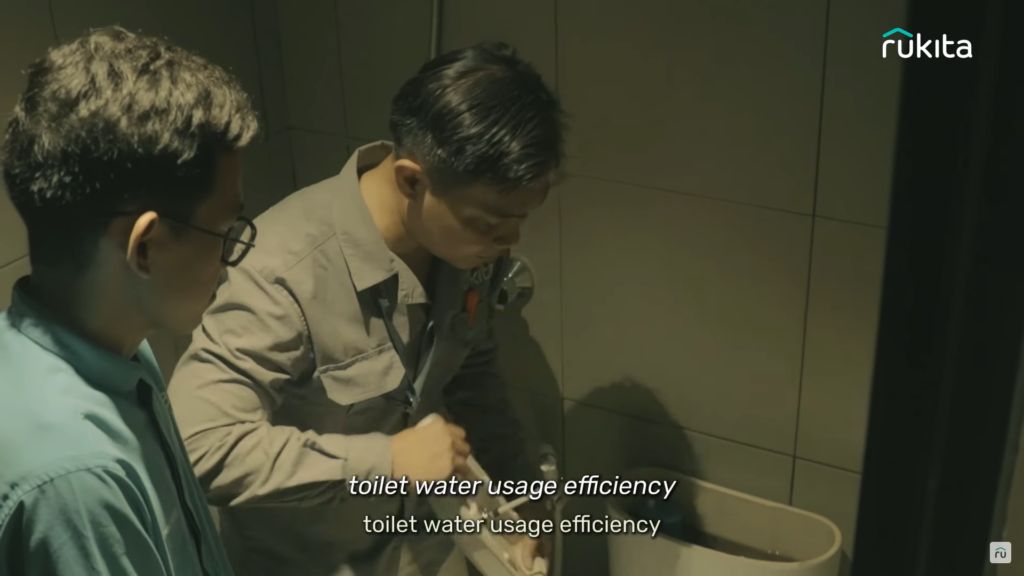
As a pioneer in modern coliving in Indonesia, Rukita also implements sustainability programs with measurable impact. At Rukita Askara Tanah Abang, a zero-investment water conservation initiative significantly lowered daily consumption through simple techniques like adjusting toilet floats and regulating pump pressure.
Meanwhile, Rukita Gondangdia Cikini features solar-powered streetlights that improve safety while reducing reliance on electricity from the grid—demonstrating how everyday infrastructure can contribute to low carbon living.
Friendly reminders throughout the buildings encourage residents to participate, showing that sustainability grows from small habits practiced consistently.
Together, these efforts demonstrate how thoughtful improvements—big or small—can create meaningful change.
Low carbon living isn’t about perfection. It’s about consistency. You don’t need to change everything at once; even one or two small habits can make a difference over time. A healthier planet often begins with simple routines—right in your own room.
Don’t forget to download Rukita app via Google Play Store or App Store or visit www.rukita.co. Follow Rukita’s Instagram account @rukita_indo, X account @rukita_id, and TikTok account @rukita_id to get the most recent information and other interesting deals!
Bagikan artikel ini