Tipping in Indonesia | How Much to Tip at Restaurants, Hotels, and More


A complete guide to tipping in Indonesia that is simple practical and easy to follow.
Moving to a new country means learning more than just the language and transportation system. Everyday social customs can be just as important, especially when it comes to money. One question many expats and international travelers ask after arriving in Indonesia is: Do you tip in Indonesia?
The short answer is yes but not in the same way you would in countries like the United States or Canada. Unlike North America, Indonesia does not have a strong tipping culture where service workers rely heavily on gratuities.
However, tipping is generally appreciated as a gesture of gratitude, particularly in hospitality, tourism, and service-related industries. Understanding when and how much to tip can help you avoid awkward situations while showing appreciation for good service.
Whether you are dining at a restaurant in Jakarta, staying at a hotel in Bali, or using ride-hailing services for your daily commute, this guide will help you navigate tipping etiquette in Indonesia with confidence.
Also Read: What to Wear to an Indonesian Wedding: Indonesian Wedding Guest Attire Guide for Expats
Is Tipping Common in Indonesia?

Indonesia’s tipping culture sits somewhere between countries where tipping is expected and countries where tipping is uncommon. Traditionally, Indonesians do not tip as frequently as people in Western countries.
In many local establishments, especially small family-owned eateries known as warung, customers simply pay the stated price and leave. However, as tourism and international business have grown across cities such as Jakarta, Bali, Surabaya, and Bandung, tipping has become increasingly common in places that regularly serve foreign visitors.
For expats, the most important thing to remember is that tipping in Indonesia is generally seen as a sign of appreciation rather than an obligation. Good service may be rewarded with a tip, but poor service does not automatically deserve one.
Many Indonesians themselves prefer that tipping does not become a mandatory expectation. Instead, it remains voluntary and tied to the quality of service provided.
The Golden Rule: Always Check for a Service Charge
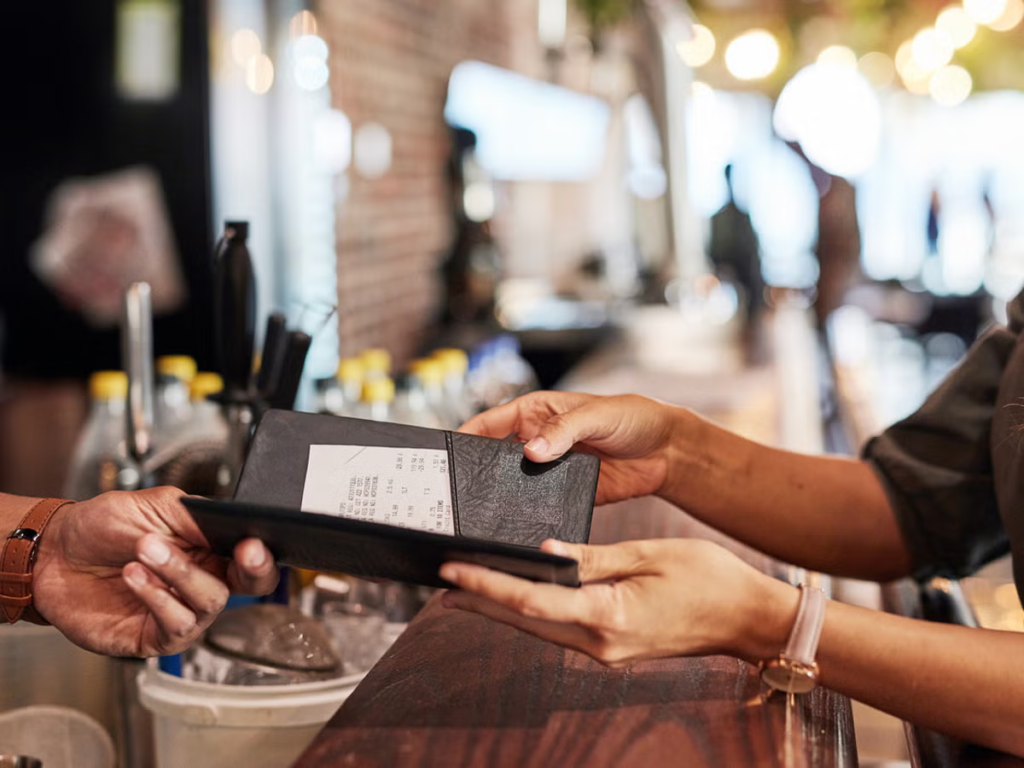
Before leaving extra money on the table, take a close look at your bill. Many restaurants, hotels, cafés, and bars in Indonesia already include a service charge. This is especially common in shopping malls, business districts, international hotel chains, and tourist destinations.
Service charges typically range between 5% and 10%, while taxes may add another 10–11% or more to the final bill. Menus often indicate this with the symbol “++,” meaning tax and service charges will be added separately.
If a service charge has already been included, leaving an additional tip is entirely optional. Many locals simply pay the bill as presented.
However, if the service was exceptional, it is perfectly acceptable to leave a small amount of cash directly for the staff member who assisted you. Understanding this distinction can save you from accidentally tipping twice.
Tipping at Restaurants in Indonesia

When dining out in Indonesia, tipping practices can vary depending on the type of restaurant and level of service. Understanding these differences will help you decide when and how much to tip appropriately.
1. Casual restaurants and local eateries
At local warungs and casual eateries, tipping is not expected. If your meal costs Rp47,000, many people simply round the amount up to Rp50,000 and tell the cashier to keep the change.
This is one of the most common forms of tipping in Indonesia and is considered polite without being excessive. For expats living in Indonesia long-term, you’ll quickly notice that this practice feels more natural than calculating percentages.
2. Mid-range and upscale restaurants
At sit-down restaurants, particularly those catering to business professionals, tourists, and expats, checking the bill becomes important. If no service charge is included, leaving around 5% to 10% of the bill is generally appreciated. If a service charge has already been added, an extra tip is not required.
However, some diners still leave a small amount if the service exceeded expectations. For example, if your dinner costs Rp500,000 and there is no service charge, leaving Rp25,000 to Rp50,000 would be considered generous and appropriate.
3. Fine dining restaurants
In fine dining establishments, service charges are almost always included. As a result, most guests do not leave an additional gratuity. However, if a server provided exceptional attention, helped accommodate dietary restrictions, or delivered outstanding hospitality, leaving an additional Rp50,000 to Rp100,000 is a thoughtful gesture.
Tipping at Hotels in Indonesia
Hotels are among the places where tipping is most commonly practiced. While many luxury hotels already include service charges in room rates, guests often tip individual staff members who provide personalized assistance.
1. Housekeeping staff
Housekeeping teams work behind the scenes to keep your room clean and comfortable. For longer stays, many travelers leave around Rp20,000 to Rp50,000 per day, especially at upscale properties. Leaving the money in a clearly marked envelope or note helps avoid confusion.
2. Bellhops and porters
If someone assists with your luggage, a tip of approximately Rp10,000 to Rp20,000 per bag is generally appreciated. This is particularly common at international hotels and resorts where bell service is part of the guest experience.
3. Concierge services
Most concierge requests do not require tipping. However, if a concierge secures hard-to-get reservations, arranges special transportation, or helps solve a complicated issue during your stay, a gratuity of Rp50,000 or more may be appropriate depending on the level of assistance provided.
Should You Tip Taxi Drivers and Ride-Hailing Drivers?

Indonesia’s transportation landscape is dominated by ride-hailing apps such as Grab and Gojek, especially in major cities. Fortunately, tipping drivers is simple.
Most passengers either round up the fare or leave a small amount ranging from Rp5,000 to Rp20,000 for good service. This is particularly common when drivers help with luggage, navigate heavy traffic efficiently, or wait for passengers during multiple stops.
For airport transfers or full-day private drivers, tipping between Rp50,000 and Rp100,000 is generally considered generous and appreciated. Many ride-hailing apps also provide a digital tipping option, making the process convenient for cashless users.
Tipping Tour Guides in Indonesia
If you plan to explore Indonesia beyond the city, you may hire local guides for cultural tours, hiking trips, diving excursions, or sightseeing experiences.
Tour guides often spend entire days assisting visitors, sharing local knowledge, and helping create memorable experiences. Because of this, tipping is relatively common within the tourism sector.
For half-day tours, many visitors tip between Rp50,000 and Rp100,000. For full-day private tours, gratuities of Rp100,000 to Rp200,000 are often considered appropriate, depending on the quality of service and group size.
Tipping at Spas and Salons
Indonesia is famous for its spa culture, particularly in Bali and Jakarta. Many spas already include a service charge, but therapists often receive additional tips from satisfied clients.
If you’re happy with your treatment, leaving Rp20,000 to Rp50,000 is common for standard services. For luxury spas or longer treatments, guests may leave Rp50,000 to Rp100,000 or more.
The same principle applies at hair salons and barbershops. Tipping is appreciated but not expected.
When Not to Tip in Indonesia
Understanding when not to tip is just as important as knowing when to tip. At street food stalls, neighborhood warungs, convenience stores, supermarkets, and many government offices, tipping is generally unnecessary. Employees are not expecting gratuities, and in some situations, offering one may create confusion.
Likewise, if a service charge has already been added and the service was average, there is no obligation to leave additional money. Remember that tipping in Indonesia is intended to recognize excellent service, not simply to fulfill a social expectation.
Cash or Card—What’s the Best Way to Tip?
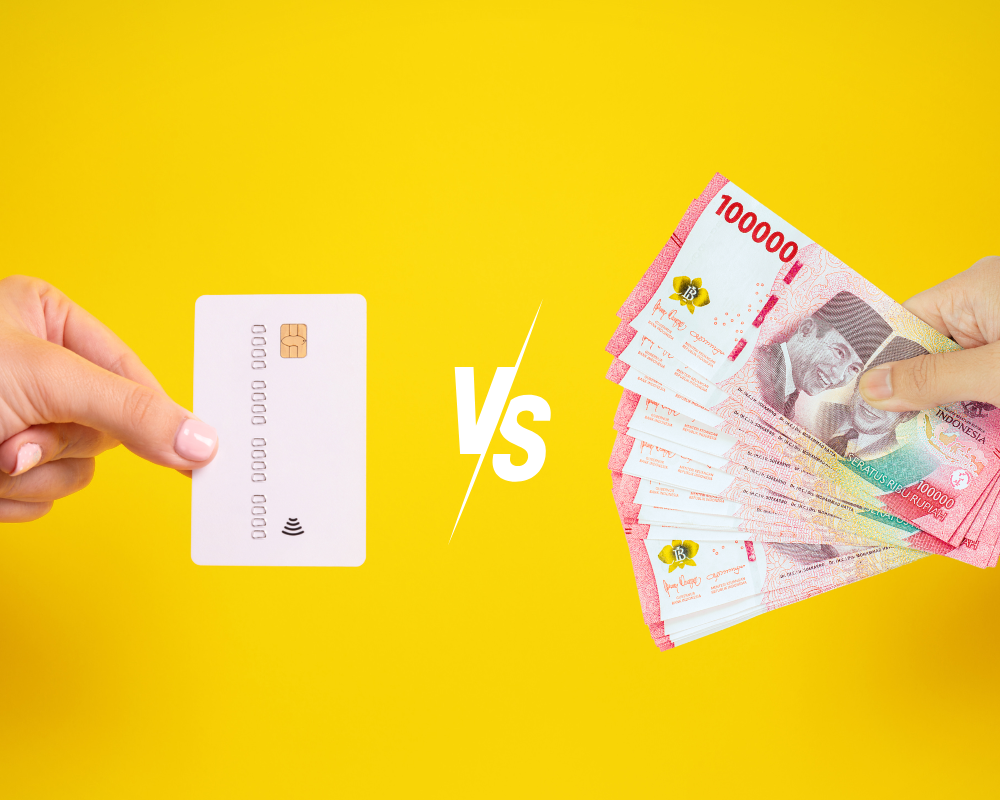
Indonesia is becoming increasingly cashless, especially in major urban centers. QRIS payments, digital wallets, and cards are widely accepted.
However, cash remains the preferred method for tipping. A small cash tip handed directly to the staff member ensures the recipient receives your appreciation immediately.
This is particularly useful in hotels, spas, and transportation services. Keeping a few Rp10,000, Rp20,000, and Rp50,000 notes in your wallet can make tipping easier throughout your day.
For many expats, adjusting to Indonesia’s tipping culture can feel refreshing. Unlike countries where gratuities are expected almost everywhere, Indonesia offers more flexibility.
A tip is welcomed when service is outstanding, but it is rarely mandatory. The key is to check whether a service charge has already been included and then decide whether additional recognition is warranted.
As you settle into life in Indonesia, you’ll find that small gestures of appreciation often go a long way. Whether it’s rounding up your restaurant bill, thanking your driver with a few extra rupiah, or rewarding exceptional hospitality at a hotel, tipping is ultimately about acknowledging great service and building positive connections with the people who make daily life more enjoyable.
Looking for a Comfortable Home in Indonesia?

Whether you’re relocating to Jakarta for work, spending several months in Indonesia as a digital nomad, or simply looking for a hassle-free living experience, finding the right accommodation can make all the difference. Rukita offers fully furnished coliving spaces designed for modern professionals and expats.
With strategic locations near business districts, flexible rental terms, high-speed internet, professional housekeeping, and a vibrant community atmosphere, Rukita makes settling into Indonesia easier and more comfortable. Explore Rukita’s premium coliving options and discover a place that feels like home from day one.
Don’t forget to download Rukita app via Google Play Store or App Store or visit www.rukita.co. Follow Rukita’s Instagram account @rukita_indo, X/Twitter account @rukita_id, and TikTok account @rukita_id to get the most recent information and other interesting deals!
Bagikan artikel ini