Rukita’s ESG Journey Featured in UN Global Compact Indonesia Impact Story 2025

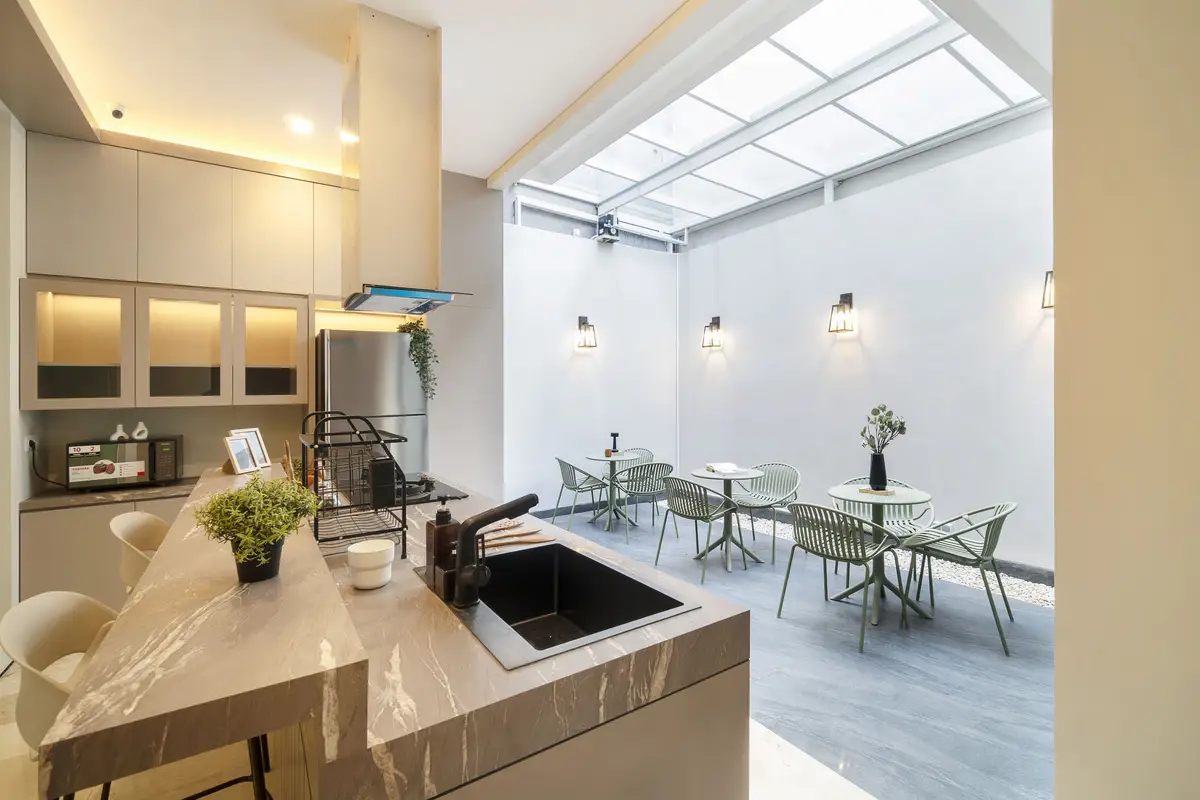
Building sustainable urban living through measurable impact and collaborative ESG action.
As the global conversation around sustainability continues to evolve, businesses are no longer viewed solely as economic drivers, but also as key contributors to building a more responsible and resilient future. Across industries, companies are being challenged to move beyond intention and demonstrate how their operations create measurable environmental and social outcomes.
This shift is reflected in initiatives like the UN Global Compact Indonesia Impact Story 2025: Responsible Business for the Future, a platform that highlights how organizations translate sustainability commitments into real-world action. In this latest publication, Rukita is recognized among 38 selected companies out of 179 members, signaling its growing role in advancing sustainable urban living in Indonesia.
More than a milestone, this recognition reflects a broader narrative that connects global sustainability frameworks, thematic priorities, and collective action across the property ecosystem.
Also Read: Living Low Carbon at Your Coliving Space: Simple Habits That Make a Real Difference
Understanding the Impact Story Framework
The Impact Story initiative by UN Global Compact Indonesia continues the organization’s effort to spotlight how businesses contribute to the Sustainable Development Goals (SDGs). Since its introduction, the platform has evolved into a space where companies share not only their commitments, but also the strategies, challenges, and measurable outcomes behind them.
Each selected story is grouped under key thematic categories that reflect pressing global priorities, ranging from climate action and responsible consumption to inclusive growth and community development. These themes are aligned with the broader mission of the United Nations Global Compact, which encourages businesses worldwide to adopt principles that support environmental protection, social equity, and ethical governance.
Within this framework, companies are expected to demonstrate how sustainability is embedded into their core operations, not treated as a standalone initiative.
A Low-Carbon Vision for Urban Living
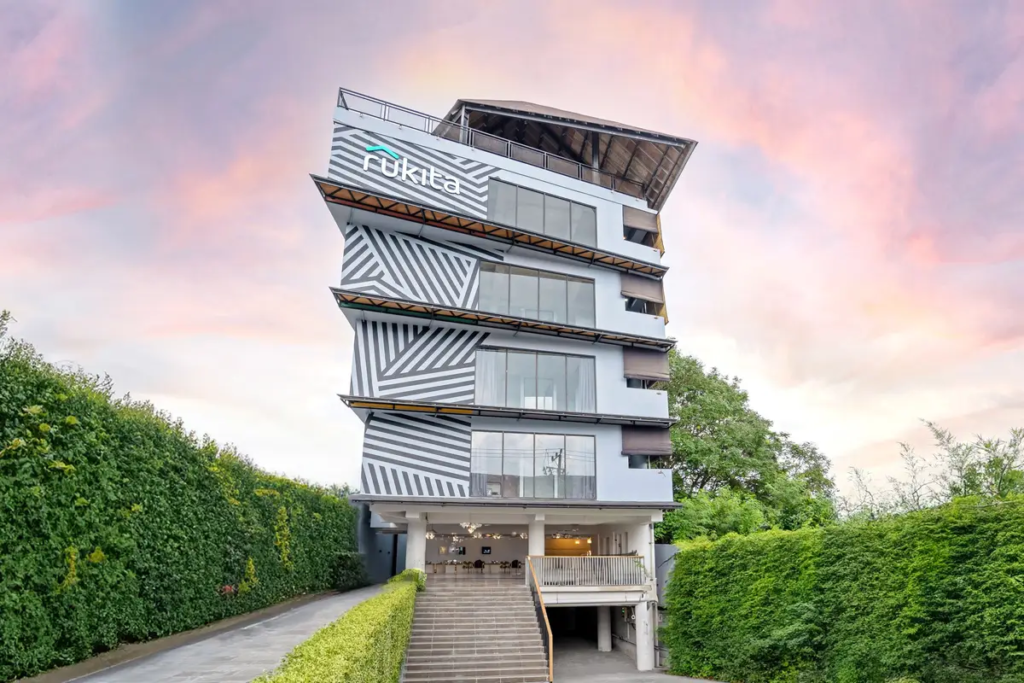
Rukita’s contribution to the Impact Story 2025 is anchored in its ESG initiative, Building a Low-Carbon Future for Urban Living. The initiative addresses one of the most pressing challenges in urban development: how to provide accessible, high-quality housing without increasing environmental burden.
Rather than approaching sustainability as a trade-off, Rukita integrates it into its business model through a data-driven and operationally scalable approach. The journey begins with a comprehensive carbon baseline assessment, covering Scope 1, 2, and 3 emissions. This foundation enables the company to set clear reduction targets and implement targeted interventions across its portfolio.
Concrete actions include the adoption of energy-efficient LED lighting and the gradual integration of solar water heaters in selected properties. These measures are designed to reduce energy consumption while maintaining comfort and quality for residents, ensuring that efficiency enhancements also improve the resident living experience..
Delivering Measurable ESG Impact
A key element of Rukita’s ESG approach lies in its ability to translate strategy into measurable results. The company has recorded an average carbon intensity of 13.1 kgCO₂ per square meter, well below both the Indonesian benchmark of 24 kgCO₂/m² and the global benchmark of 58 kgCO₂/m².
One of its flagship properties, Rukita Askara Tanah Abang, demonstrates how sustainable practices can be effectively implemented at the property level, setting a new internal benchmark for performance.
Since the publication of the Impact Report 2025, Rukita has continued to improve its operational efficiency across the portfolio. Recent performance data indicates continued improvement in carbon efficiency across the portfolio. The latest operational results include:
| Variable | Impact Report 2025 | Latest Achievement |
| Carbon Intensity | 13.1 kgCO₂/m² | 12.6 kgCO₂/m² |
| Rukita Askara Tanah Abang Carbon Intensity | 9.37 kgCO₂/m² | 8.95 kgCO₂/m² |
These results demonstrate how operational improvements can generate measurable environmental gains while maintaining strong resident performance metrics
However, Rukita’s impact extends beyond environmental metrics. Through its proprietary Building Happiness Index (BHI), the company continuously measures resident satisfaction, ensuring that operational improvements are aligned with real user needs. At the same time, consistently high occupancy rates across its portfolio highlight the commercial viability of sustainability-driven properties.
This integrated approach reinforces a key principle within ESG: that environmental responsibility, social value, and business performance are not competing priorities, but interconnected drivers of long-term growth.
The Power of Collaboration in Driving Change

One of the defining aspects of the Impact Story 2025 is its emphasis on collaboration. Sustainability challenges, particularly in urban environments, cannot be addressed by a single organization alone. They require coordinated efforts across industries, stakeholders, and communities.
“Sustainability is ultimately a collective effort. By aligning stakeholders across the property ecosystem, we can scale impact more effectively and accelerate the transition toward low-carbon urban living,” said Ananda Putra, Rukita Sustainability (ESG) Manager.
Since becoming part of the United Nations Global Compact in July 2025, Rukita has strengthened its commitment to collaborative progress. Through the network, the company gains access to global best practices, peer learning opportunities, and cross-sector partnerships that accelerate innovation in sustainable housing.
This collaborative approach also extends to Rukita’s broader ecosystem. By working closely with property owners, tenants, and operational partners, the company creates a shared framework for sustainability, where each stakeholder plays a role in reducing environmental impact and improving living standards.
Scaling Impact Beyond the Portfolio
Rukita’s inclusion in the Impact Story 2025 highlights not only what has been achieved, but also what can be scaled. As urbanization continues to accelerate in Indonesia, the demand for housing solutions that are both sustainable and economically viable becomes increasingly urgent.
By demonstrating that low-carbon co-living models can achieve high occupancy rates and deliver stable returns, Rukita provides a practical example for property owners and developers. This, in turn, opens the door for wider adoption of sustainable practices across the industry.
The goal is not only to optimize individual properties, but to influence how urban living is designed, developed, and experienced on a larger scale.
“Through our ESG initiatives, we are beginning to drive broader change across our ecosystem. By demonstrating that sustainable properties can maintain occupancy rates above 90%, we are showing landlord partners that environmental responsibility can also support stronger and more stable returns.
“At the same time, we are helping tenants experience a new standard of urban living, one where quality, community, and a lower carbon footprint can coexist. We hope this approach can help shape the preferences and expectations of Indonesia’s emerging generation,” said Ananda.
Turning ESG Commitment Into Everyday Impact
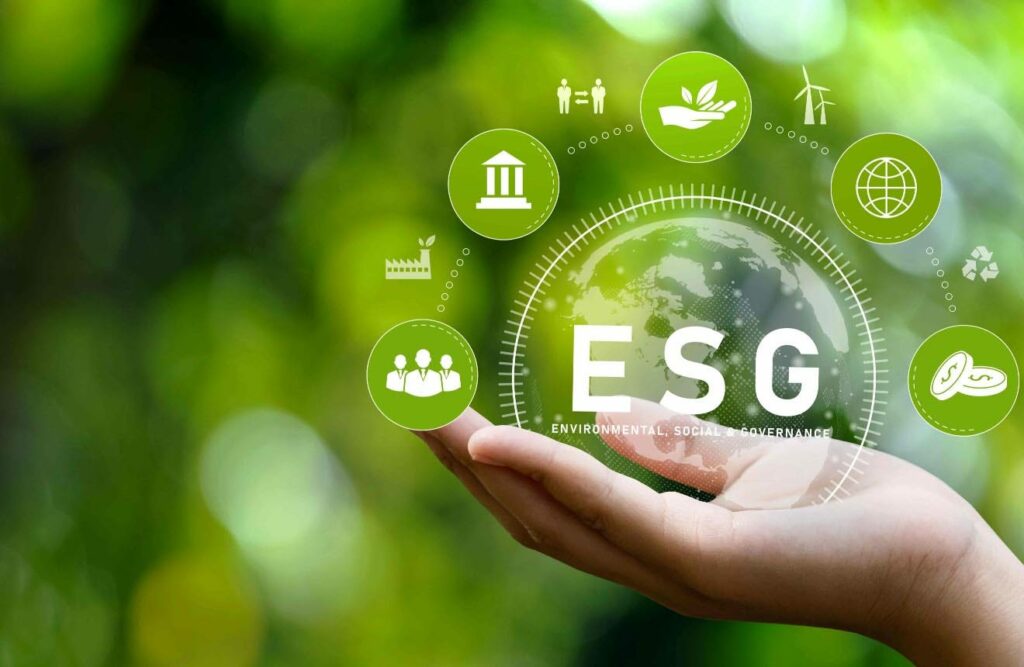
At its core, ESG is not only about frameworks or metrics, it is about how values are translated into everyday experiences. For residents, this means living in spaces designed with efficiency, comfort, and community in mind. For property owners, it means participating in a system that balances profitability with long-term sustainability. For the broader ecosystem, it means contributing to a future where growth is aligned with environmental and social responsibility.
“To other companies, we would say that integrating ESG is not a cost, but a catalyst for innovation. Our focus on sustainability has encouraged us to develop new technologies, from our Building Happiness Index (BHI) to AI-driven sales tools, that improve both operational efficiency and customer experience,” Ananda added.
For Rukita, sustainability is not treated as a separate initiative, but as an integral part of how the company creates long-term value. This approach has helped strengthen resident satisfaction, support partner performance, and reinforce Rukita’s broader mission of providing accessible, quality housing in a more responsible and sustainable way.
Rukita’s journey within the UN Global Compact Indonesia Impact Story 2025 reflects this holistic perspective. It shows that meaningful impact is built through a combination of data, innovation, and collaboration.
As cities continue to evolve, the role of companies in shaping sustainable living environments will only become more critical. By aligning its business model with ESG principles and global frameworks, Rukita is contributing to a future where urban living is not only more accessible, but also more responsible.
At Rukita, housing is viewed not only as physical space, but as part of a broader living experience, one designed to support comfort, connection, and more responsible urban lifestyles.
Stay tuned for our next article, where we’ll dive deeper into practical ESG strategies and simple, actionable steps your organization can start taking right away.
Bagikan artikel ini
![[RECAP] Baking Class with Rukees @ Ramela Resto Senopati (9 May 2026)](https://www.rukita.co/stories/wp-content/uploads/2026/05/baking-utama.webp)