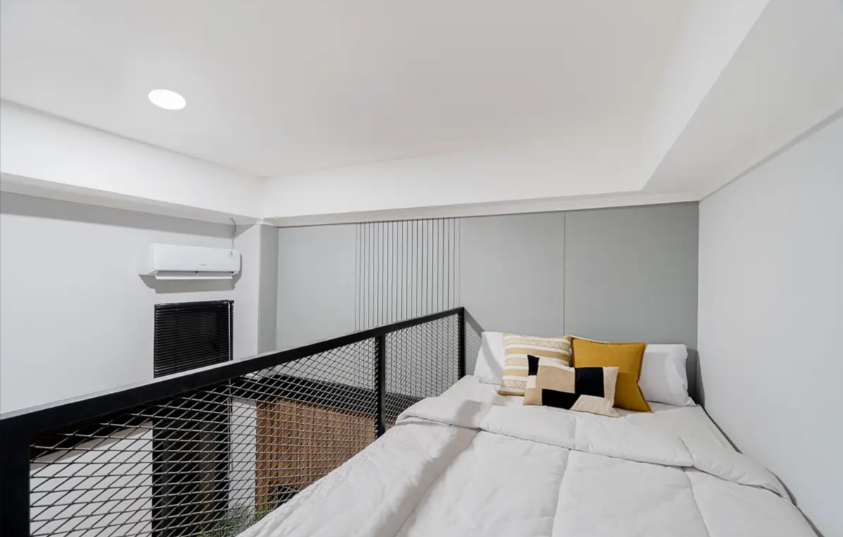
LED Light: Benefits, Energy Efficiency & Why You Should Switch Today

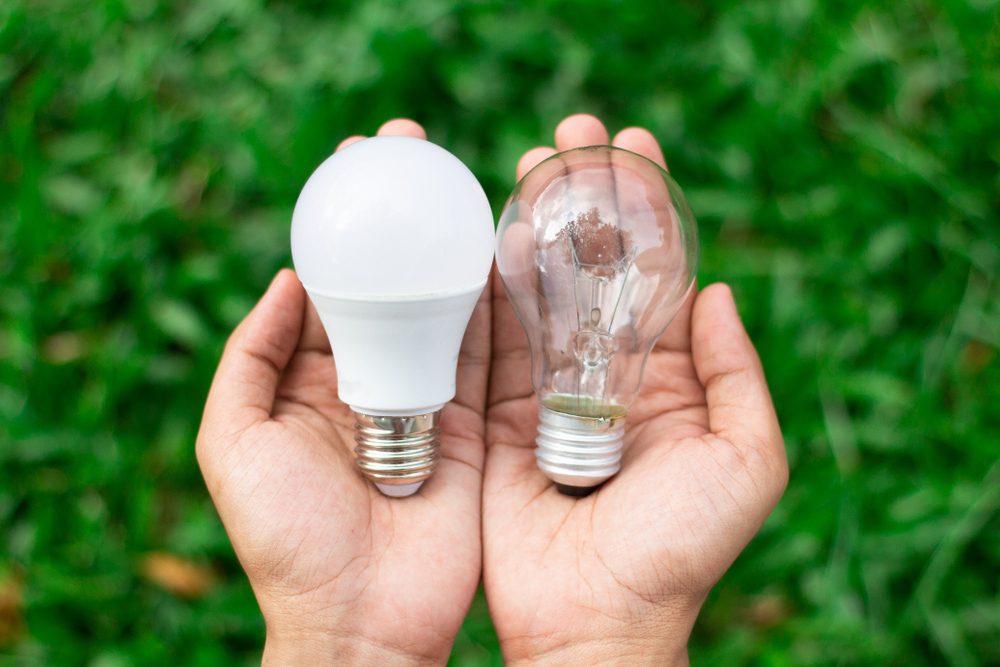
LED light: a small action with big impact.
Every day, we rely on lighting to support our activities, especially at night. However, many people don’t realize that daily lighting use consumes a significant amount of electricity and contributes to a growing environmental footprint. It’s a convenience we often take for granted, yet its impact is far-reaching.
As energy costs continue to rise globally, switching to LED light has become a game-changer for more sustainable living. Compared to conventional bulbs, LED light is known for its high efficiency and long-lasting performance, making it a smarter and more reliable lighting solution for both homes and businesses.
With its long lifespan, lower energy consumption, and minimal environmental impact, LED light not only helps reduce electricity costs but also supports broader sustainability goals. This makes it an ideal choice for anyone looking to improve efficiency while contributing to a greener future.
Also read: Living Low Carbon at Your Coliving Space: Simple Habits That Make a Real Difference
What is LED Light?
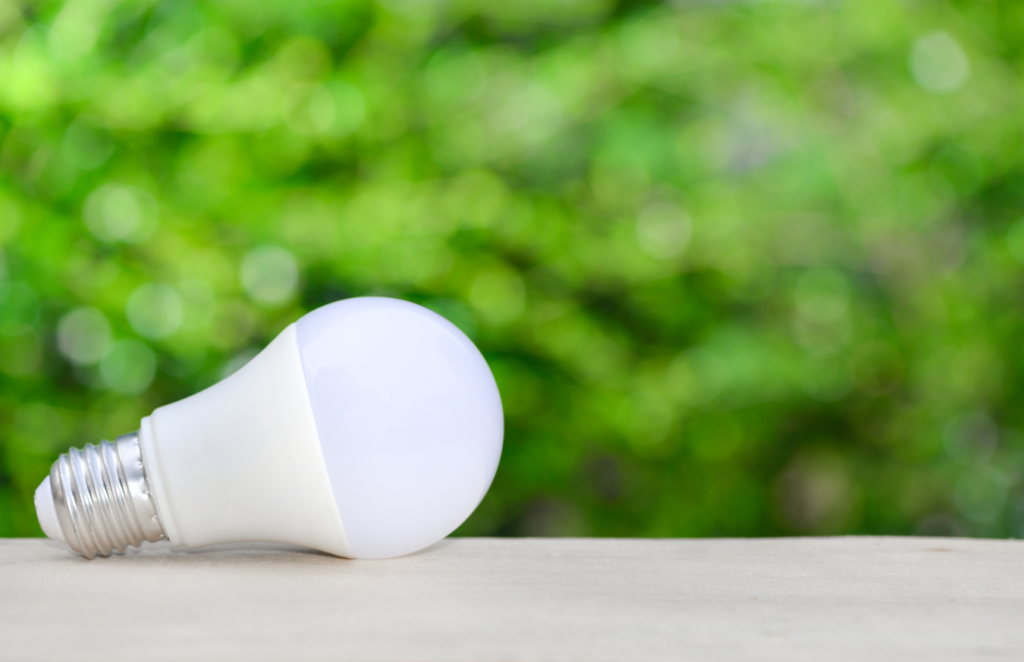
LED light (Light Emitting Diode) is an advanced lighting technology that produces illumination through the movement of electrons in a semiconductor. Unlike traditional incandescent or fluorescent bulbs, LED light generates minimal heat and converts most of its energy directly into light.
As a result, LED light is more durable and energy-efficient than conventional lighting solutions. Today, LED lighting is widely used in homes, offices, commercial spaces, and industrial facilities due to its versatility, long lifespan, and reliable performance.
Benefits of Using LED Light
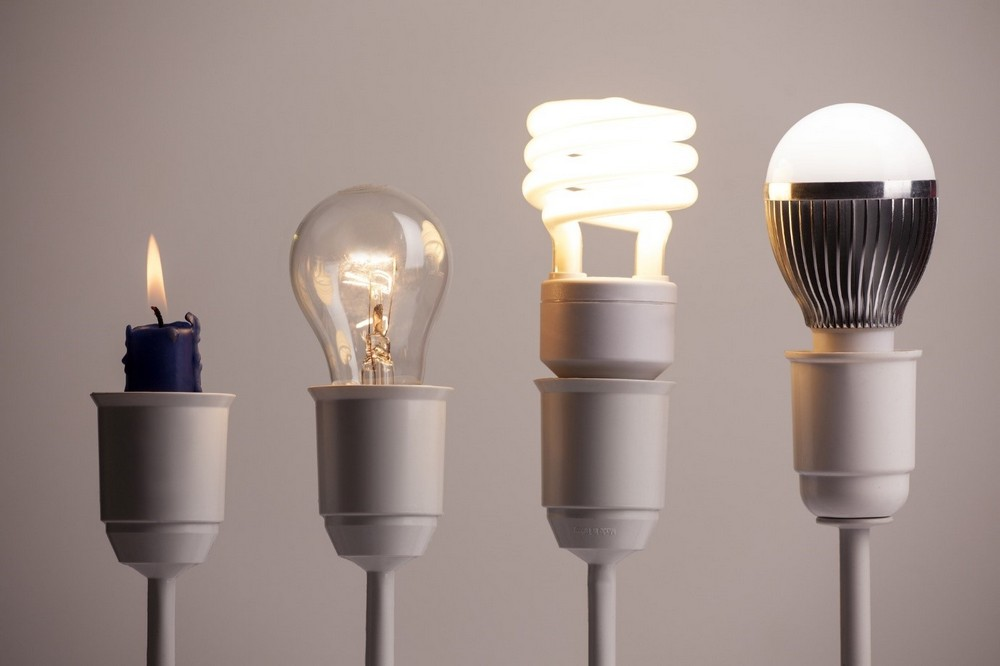
The growing popularity of LED light is driven by its strong advantages in energy efficiency, cost savings, and environmental impact. As part of its sustainability efforts, Rukita has implemented LED lighting across the majority of its 42,000 rooms to improve operational efficiency and reduce carbon emissions.
“At Rukita, every watt counts. Transitioning to LED lighting plays a key role in reducing electricity consumption and keeping our carbon footprint well below the national benchmark of 200 kgCO₂ per capita. This small innovation delivers a meaningful impact on the sustainability of our operations,” said Ananda Putra, Rukita Sustainability (ESG) Manager.
Switching to LED light can be up to eight times more energy-efficient than conventional lighting. With an average of five light points per room, this transition significantly contributes to reducing daily energy consumption.
To better understand its advantages, here are the key benefits of using LED light compared to conventional lighting:
1. Energy efficiency
LED light uses up to 80% less electricity than conventional lighting. This helps reduce energy consumption and lowers electricity bills.
2. Long lifespan
An LED light can last between 25,000 to 50,000 hours, far longer than traditional bulbs. This reduces replacement frequency and maintenance costs.
3. Environmentally friendly
LED light does not contain hazardous materials like mercury and produces lower carbon emissions due to reduced energy usage.
4. Cost-effective
Although the upfront cost may be higher, LED light delivers long-term savings through reduced energy and maintenance expenses.
5. Better lighting quality
LED light offers consistent brightness, instant illumination, and better color rendering, improving comfort and productivity.
Why LED Light Matters for ESG
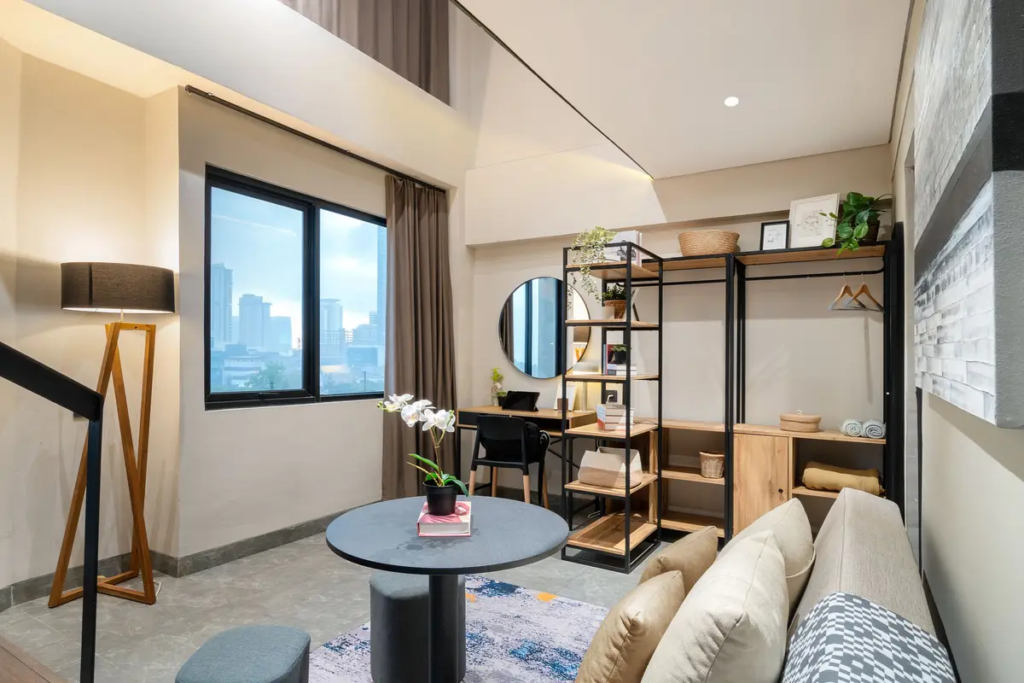
Beyond cost savings, LED light plays a crucial role in supporting sustainability and ESG (Environmental, Social, and Governance) initiatives. Its energy-efficient performance and long lifespan make LED light a strategic solution for organizations aiming to reduce environmental impact while improving operational efficiency.
From an environmental perspective, LED light significantly reduces electricity consumption and greenhouse gas emissions, helping organizations meet carbon reduction targets and advance toward sustainability goals.
On the social side, LED light enhances safety and well-being by providing stable, high-quality illumination in homes, workplaces, and public spaces, contributing to better comfort and productivity.
In terms of governance, adopting LED light reflects a strong commitment to sustainable practices, strengthens ESG reporting, and supports compliance with environmental standards and regulations.
The Best LED Light for Your Room
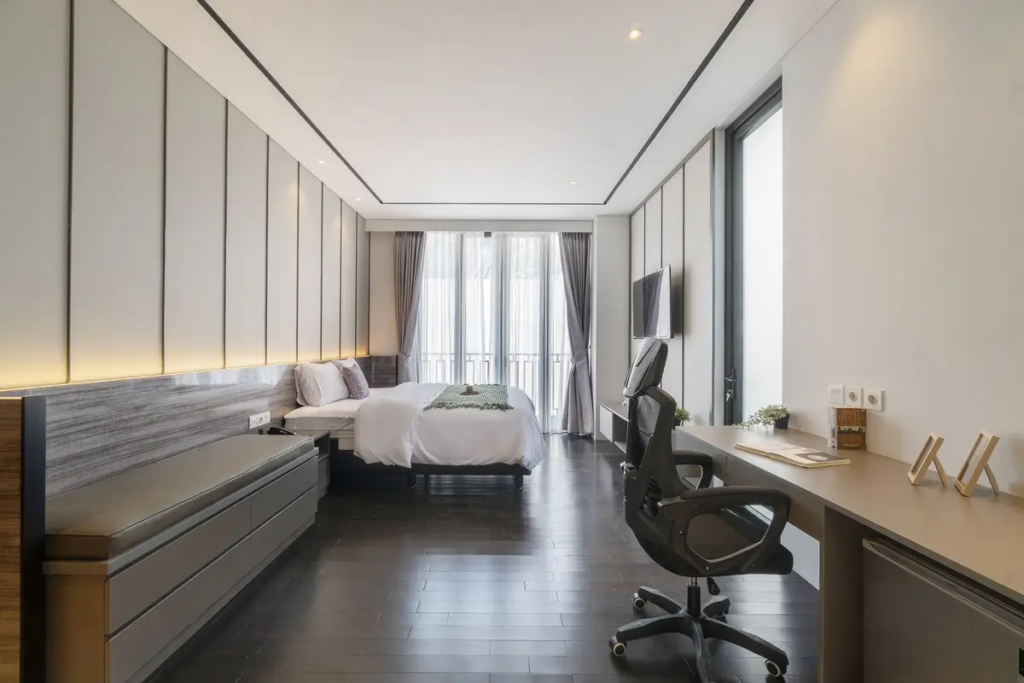
Choosing the best LED light for your room depends on how you use the space, but for most bedrooms or personal rooms, a combination of LED bulbs and LED strip lights works best. LED bulbs provide general lighting that is bright, energy-efficient, and suitable for everyday activities, while LED strips can add ambient lighting for a more relaxed and aesthetic atmosphere.
For the main lighting source, LED bulbs or LED downlights with a warm white color temperature (around 2700K–3000K) are highly recommended. This type of LED light creates a cozy and comfortable environment, making it ideal for resting and winding down. If your room is also used for studying or working, you can opt for neutral white (around 4000K) to improve focus and visibility.
To enhance the overall feel of your room, consider adding LED strip lights behind your bed frame, desk, or ceiling edges. These lights are great for indirect lighting and can make your space feel more modern and inviting. If you prefer flexibility, smart LED lights are a great option, allowing you to adjust brightness and color depending on your mood or activity.
Lastly, prioritize energy efficiency and long-term sustainability by choosing high-quality LED light products with a long lifespan. Pairing your lighting with smart controls such as dimmers or timers can further reduce energy consumption, supporting both cost savings and environmentally friendly living.
How to Maintain LED Light for Zero Carbon Goals
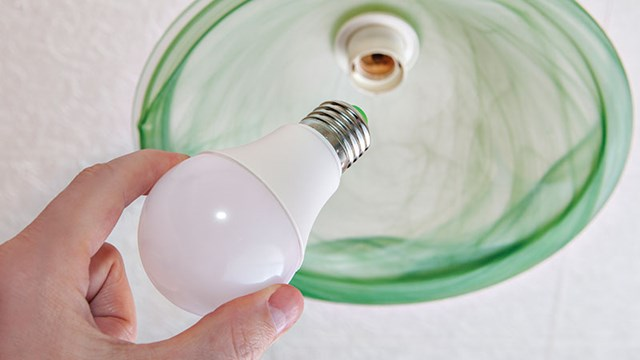
To maximize the benefits of LED light, proper maintenance is essential to ensure long-term efficiency and support sustainability efforts. Simple practices can help extend the lifespan of LED lighting while contributing to zero carbon goals.
1. Regular cleaning
Keep LED fixtures clean from dust and dirt to maintain brightness and efficiency.
2. Ensure proper installation
Correct installation prevents overheating and extends the lifespan of LED light.
3. Use compatible components
Always use appropriate drivers and fixtures to ensure stable performance.
4. Implement smart lighting
Use motion sensors, timers, and dimmers to reduce unnecessary energy usage and support zero carbon initiatives.
5. Recycle responsibly
Dispose of LED light products through proper recycling channels to minimize environmental impact.
6. Monitor energy usage
Track energy consumption to optimize efficiency and support sustainability reporting.
Its strong alignment with ESG principles makes LED lighting an essential strategy for businesses and individuals aiming to achieve sustainability and zero carbon targets. By adopting and maintaining LED light properly, we can take meaningful steps toward a greener and more efficient future.
Incorporating LED light into everyday living is a simple yet impactful step toward a more sustainable future. With its energy efficiency, long lifespan, and lower environmental impact, LED lighting not only helps reduce electricity costs but also supports broader ESG and zero carbon goals.
At Rukita, this commitment is reflected in the use of LED lighting across thousands of units, ensuring residents enjoy comfortable, well-lit spaces while contributing to more responsible energy consumption. By choosing a living space that prioritizes efficiency and sustainability, residents can take part in creating a greener future—starting from where they live.
Stay tuned for our next article, where we’ll dive deeper into practical ESG strategies and simple, actionable steps your organization can start taking right away.
Bagikan artikel ini