The Cultural Story Behind Indonesian Traditional Weddings

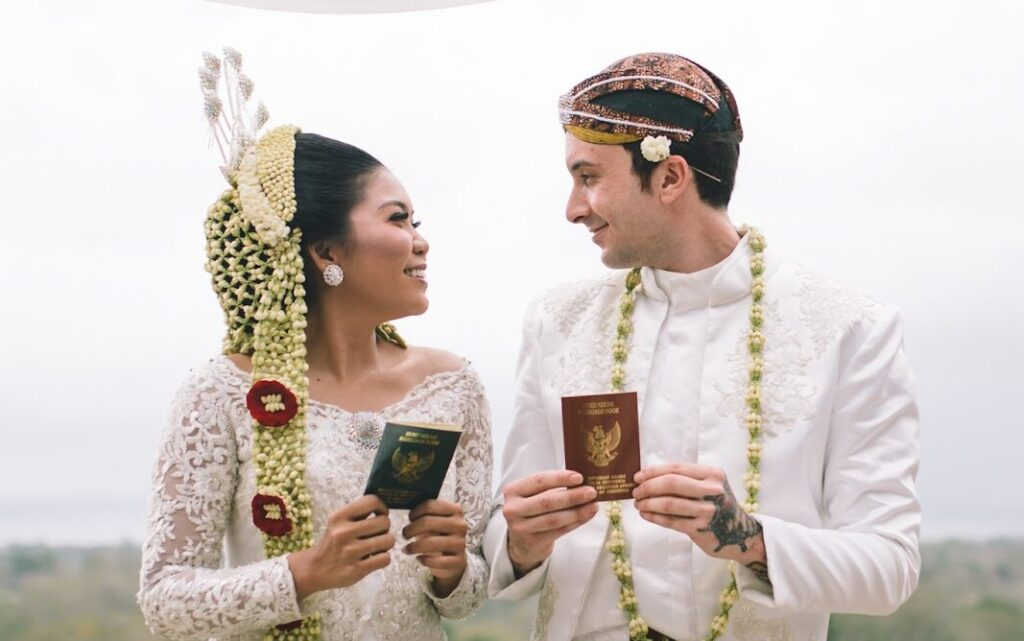
A cultural journey into the rituals, values, and regional beauty of Indonesian weddings.
Indonesia is a country where culture is lived, not just remembered. For many expats who move to Jakarta, Bali, Yogyakarta, Surabaya, or other cities across the archipelago, cultural encounters often go beyond food and language. One of the most fascinating and meaningful experiences is being invited to a traditional Indonesian wedding. At first glance, the ceremonies may appear elaborate, unfamiliar, and sometimes even overwhelming. Yet behind the layered rituals and ornate costumes lies a deeply human story about family, respect, spirituality, and belonging.
Understanding Indonesian wedding customs is not only useful for social etiquette but also helps expats connect more deeply with the society they are living in. A wedding in Indonesia is never just about two individuals. It is a cultural event, a social gathering, and a symbolic bridge between families, generations, and traditions.
Also read: Jakarta Old Town (Kota Tua): A Complete Guide to History, Museums, and Things to Do
The Cultural Meaning of Marriage in Indonesia
Marriage in Indonesia carries significance that extends far beyond romance. In many communities, it is viewed as a sacred life milestone that reflects maturity, responsibility, and harmony between families. This perspective shapes the entire Indonesian wedding ceremony, from the earliest discussions between families to the final public celebration.
For many Indonesians, marriage is also closely tied to religion. Whether the couple follows Islam, Christianity, Hinduism, or Buddhism, the religious dimension plays a central role in legitimizing the union. The ceremony is not only a legal act but also a spiritual commitment witnessed by family members and the wider community. This spiritual element often surprises expats who are accustomed to more secular wedding formats.
What also stands out is the collective nature of weddings. Guests are not merely invited to watch; they are expected to share in the joy. Weddings become social gatherings that strengthen community bonds, reinforce family networks, and affirm cultural identity.
Pre-Wedding Traditions and Family Involvement
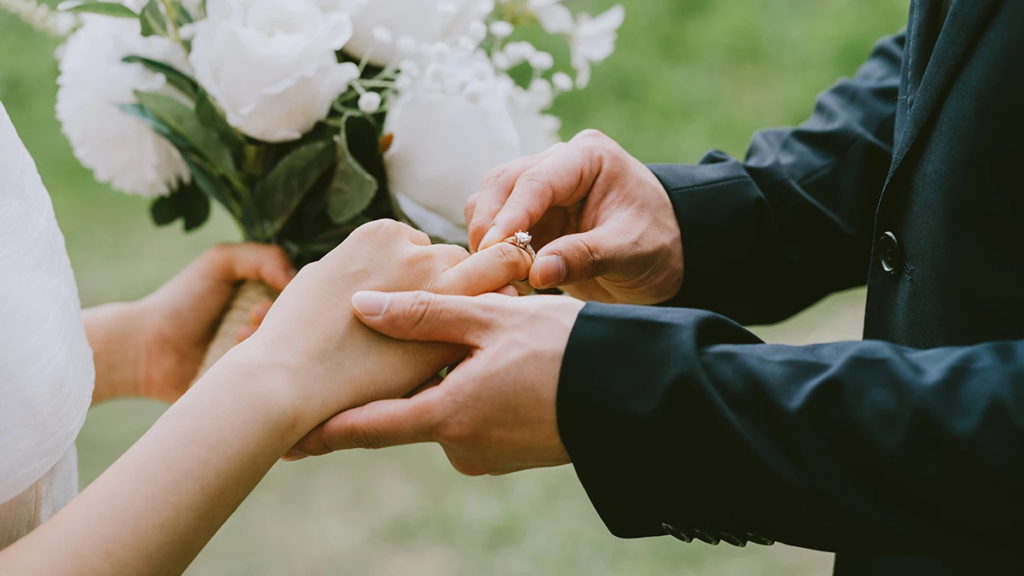
Unlike many Western weddings that focus heavily on the couple, Indonesian wedding customs place strong emphasis on family involvement. In many traditions, the process begins with formal introductions between families, followed by discussions about timing, expectations, and cultural obligations. These meetings are seen as essential because marriage is viewed as a union between two families rather than just two individuals.
In certain cultures, such as Javanese or Sundanese communities, traditional engagement rituals may take place months before the wedding day. These ceremonies symbolize mutual respect and readiness for marriage. Gifts may be exchanged between families, and symbolic items such as traditional fabrics or food offerings can represent prosperity and sincerity.
For expats who are dating Indonesians or marrying into Indonesian families, this phase can be especially meaningful. It reveals how deeply respect for elders and family consensus are embedded in everyday life.
The Core of the Indonesian Wedding Ceremony
While each region expresses marriage through its own customs and aesthetics, most Indonesian wedding ceremonies share a similar structure at their core. These central moments are where cultural values, religious principles, and family traditions come together, giving the ceremony its deepest meaning.
1. The Role of the Akad Nikah
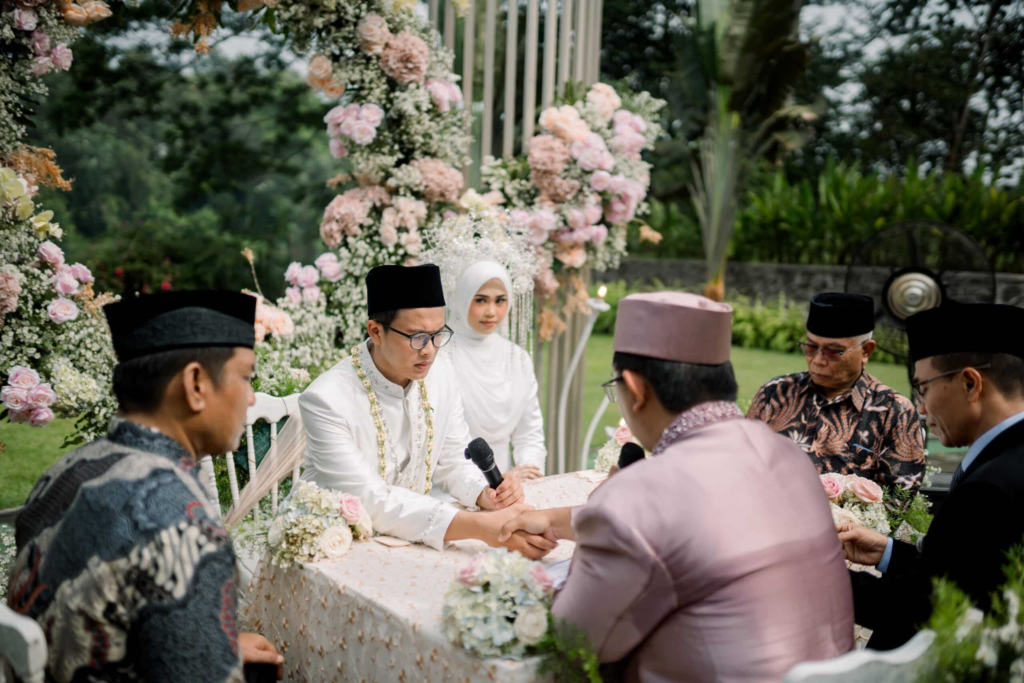
In Muslim-majority communities, the most important part of the Indonesian wedding ceremony is the akad nikah. This is the religious and legal contract that officially unites the bride and groom. It is typically conducted in the presence of a religious official, close family members, and legal witnesses.
The atmosphere during the akad nikah is often solemn and emotional. The groom must recite the marriage vow clearly and correctly, as this moment signifies his readiness to take responsibility. Once the akad is completed, the couple is considered legally married, even if the larger reception takes place later.
Many expats are surprised to learn that the grand celebration they attend is often not the legal wedding itself but rather the public reception held after the religious ceremony.
2. The Reception as a Social Celebration
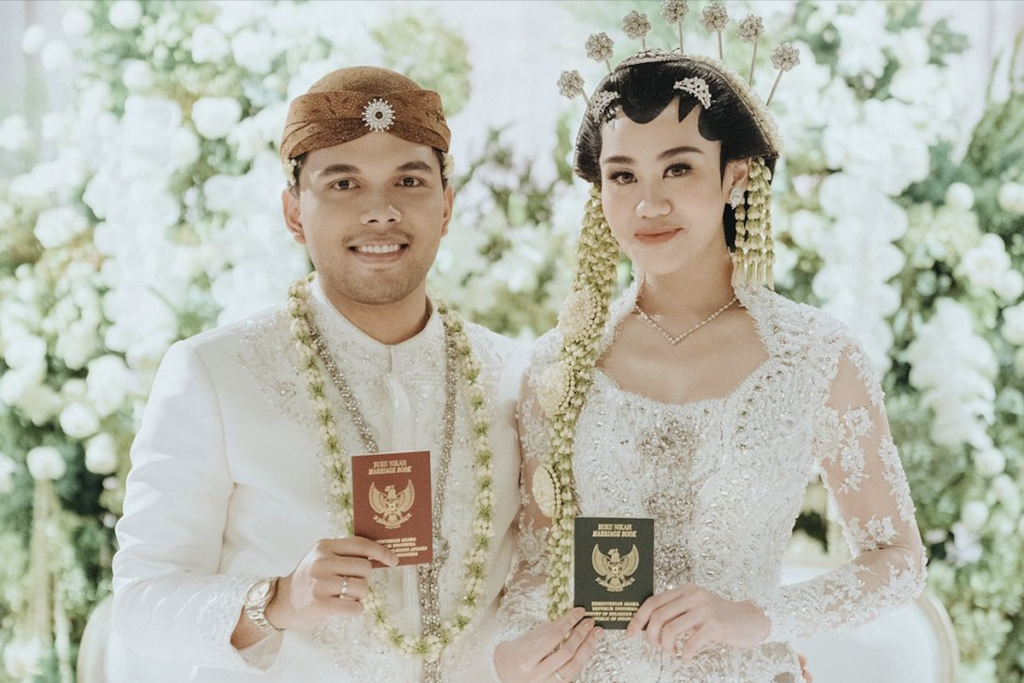
The wedding reception in Indonesia is where the cultural richness becomes most visible. This is the part most expats experience firsthand, often held in hotels, event halls, family homes, or community venues. Guests typically arrive throughout a long time window rather than at a fixed hour, offering congratulations to the couple and their parents.
Rather than formal seating and structured programs, Indonesian receptions are fluid social gatherings. Guests greet the bride and groom on stage, take photos, enjoy food, and leave after a respectful amount of time. The atmosphere is warm, communal, and inclusive, reflecting the social values that shape Indonesian society.
Javanese Wedding Traditions and Their Symbolism
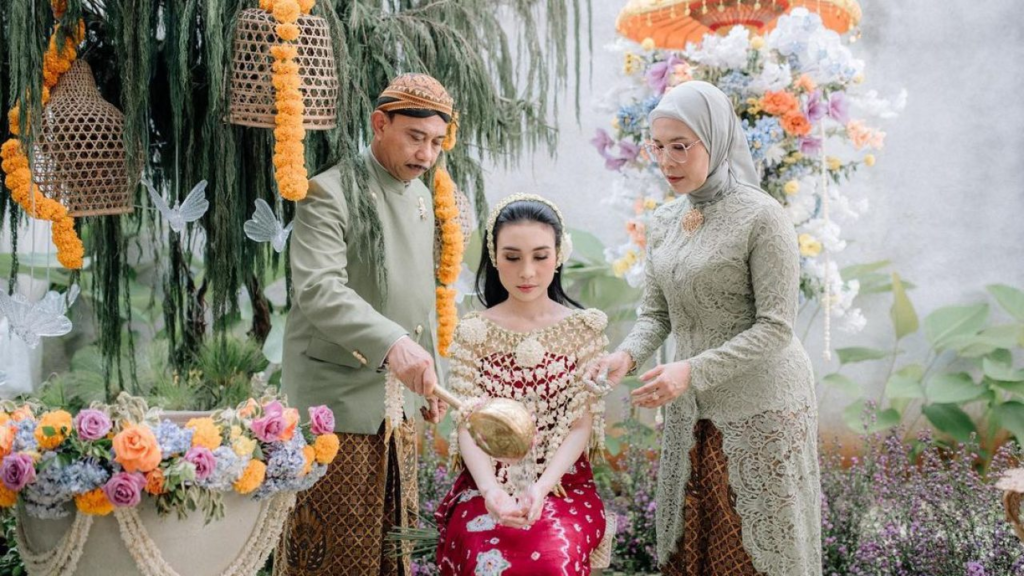
Javanese culture is one of the most influential traditions shaping Indonesian wedding customs, even among couples who are not ethnically Javanese. This is partly because Javanese wedding rituals are known for their elegance and philosophical depth.
1. Siraman and Spiritual Preparation
One of the best-known Javanese rituals is the siraman, a ceremonial bathing ritual held before the wedding. The bride and groom are bathed by parents and elders using water infused with flowers. This ritual symbolizes purification, humility, and readiness to enter a new chapter of life.
For many Indonesians, siraman is not just symbolic but emotionally powerful. It is a moment of reflection, gratitude, and connection between parents and children.
2. Midodareni and Blessings for the Bride
Another significant ritual is the midodareni, traditionally held on the night before the wedding. According to Javanese belief, this is the night when heavenly beings descend to bless the bride. During this time, the bride often stays inside the house while family members gather to pray and offer guidance.
Even in modern urban weddings, elements of these traditions are often preserved because they represent cultural continuity and respect for heritage.
Regional Variations Across Indonesia
One of the most fascinating aspects of Indonesian traditional weddings is how dramatically they vary from region to region. Each ethnic group expresses its values through distinctive ceremonies, attire, and symbolism.
1. Balinese Hindu weddings
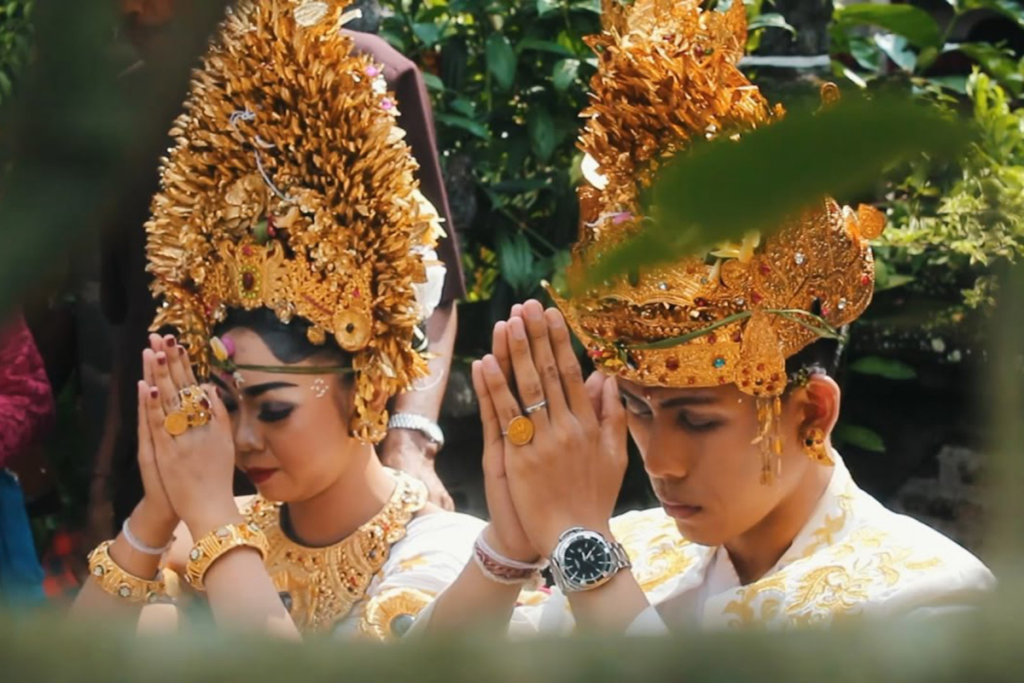
In Bali, weddings are deeply rooted in Hindu philosophy. The ceremonies are highly spiritual and involve offerings, prayers, and rituals conducted at temples or family shrines. Balinese couples often wear vibrant traditional costumes adorned with gold accessories, symbolizing divine beauty and balance between masculine and feminine energies.
For expats living in Bali, attending a Balinese wedding can feel like witnessing a sacred cultural performance, where every movement and object holds symbolic meaning.
2. Minangkabau weddings in West Sumatra
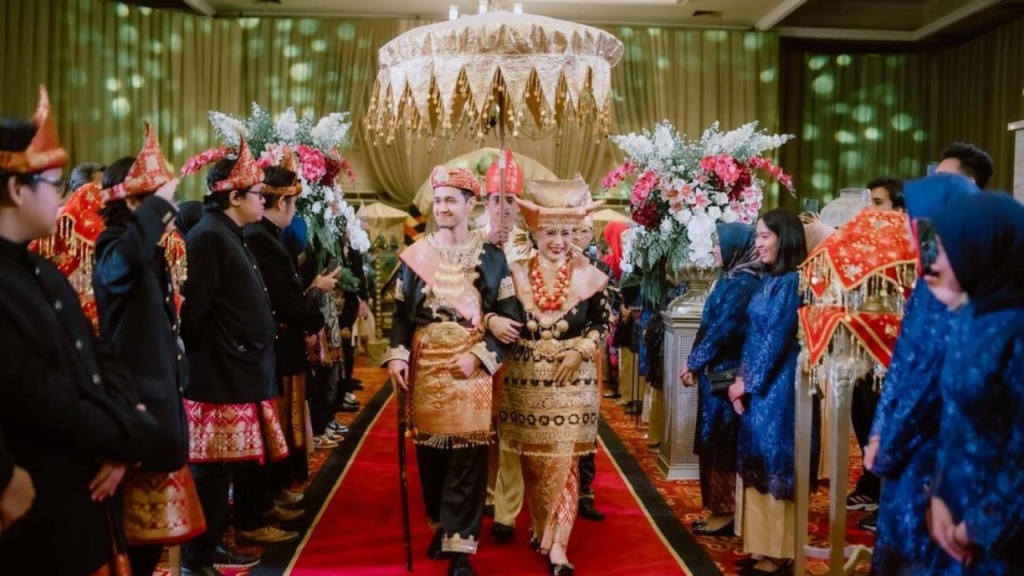
Minangkabau weddings offer a unique perspective because the culture is matrilineal. In this tradition, the bride’s family plays a dominant role, and the groom symbolically enters the bride’s household. The bride’s elaborate headdress, often shaped like buffalo horns, represents strength, dignity, and heritage.
These cultural nuances highlight how Indonesian wedding customs reflect not only romance but also social structures and historical values.
3. Batak wedding traditions in North Sumatra
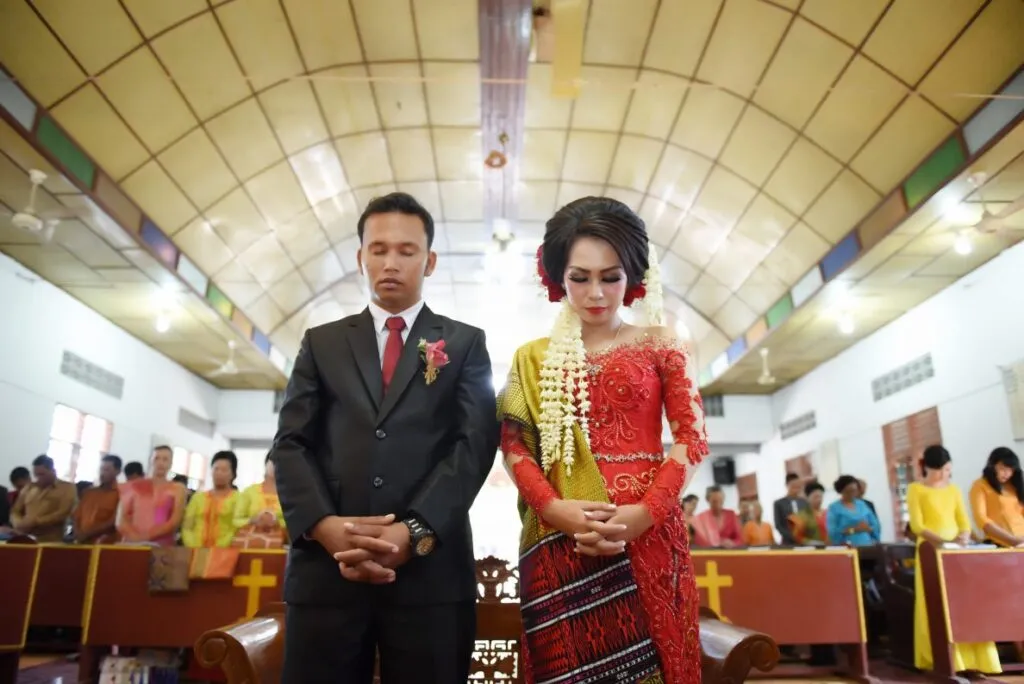
Batak weddings are known for their strong clan identity. Family names, lineage, and ancestral ties play a major role in the ceremony. Traditional ulos cloth is exchanged as a symbol of blessing and unity. Music, dance, and speeches are integral parts of the celebration, often creating a lively and emotionally charged atmosphere.
Food, Hospitality, and Community Spirit
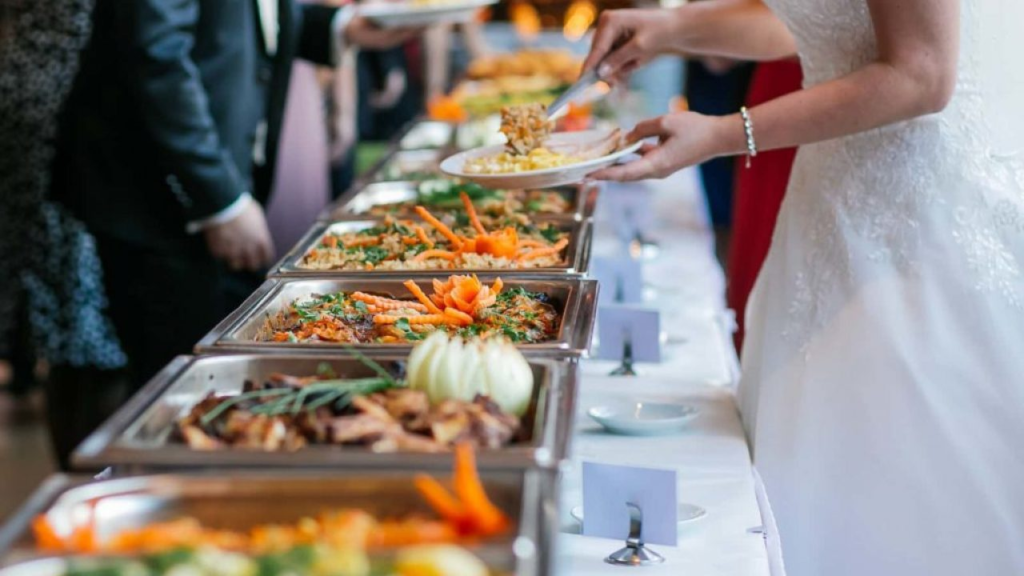
Food plays a central role in Indonesian wedding customs. The wedding feast is not just about indulgence but about expressing gratitude and generosity. Guests are treated with respect through carefully prepared dishes, often reflecting regional culinary traditions.
In Padang-style weddings, guests may enjoy rich dishes such as rendang and gulai. In Javanese receptions, more subtle flavors such as gudeg, ayam ingkung, and traditional sweets are common. In modern urban weddings, international cuisine may be added while still preserving traditional elements.
For many expats, the openness of Indonesian hospitality is one of the most memorable aspects of attending a wedding. Even distant acquaintances are welcomed warmly, reinforcing the idea that weddings are collective celebrations rather than exclusive events.
What Expats Should Know When Attending an Indonesian Wedding
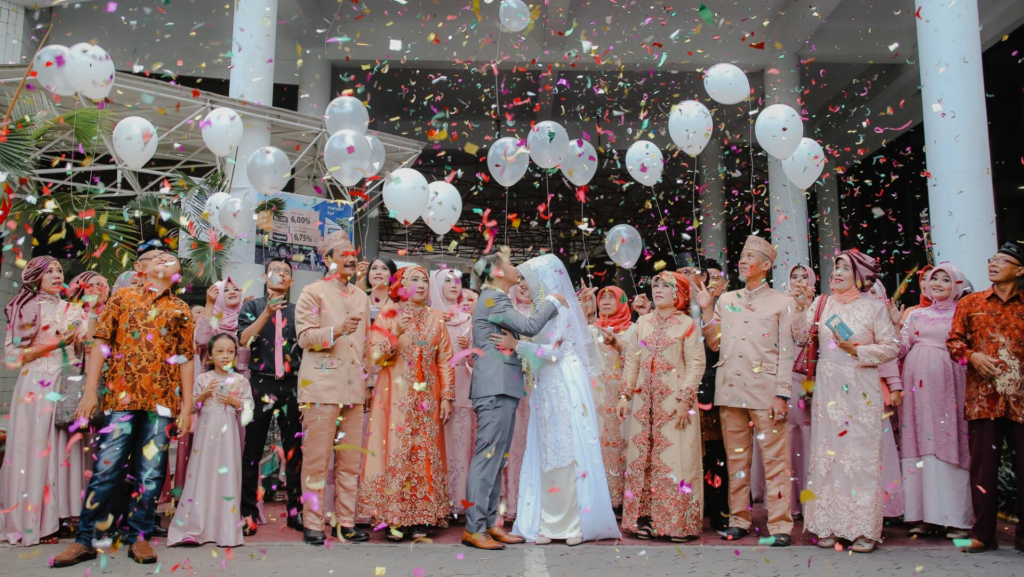
Understanding basic etiquette helps expats feel more comfortable when attending an Indonesian wedding ceremony. Dressing modestly is generally appreciated, especially for religious ceremonies. Arriving with a small gift or envelope of congratulations is customary in many settings. Most importantly, showing respect toward elders and family members leaves a positive impression.
Beyond etiquette, approaching the experience with curiosity and openness transforms the event from a social obligation into a meaningful cultural encounter.
A Living Tradition in a Modern World
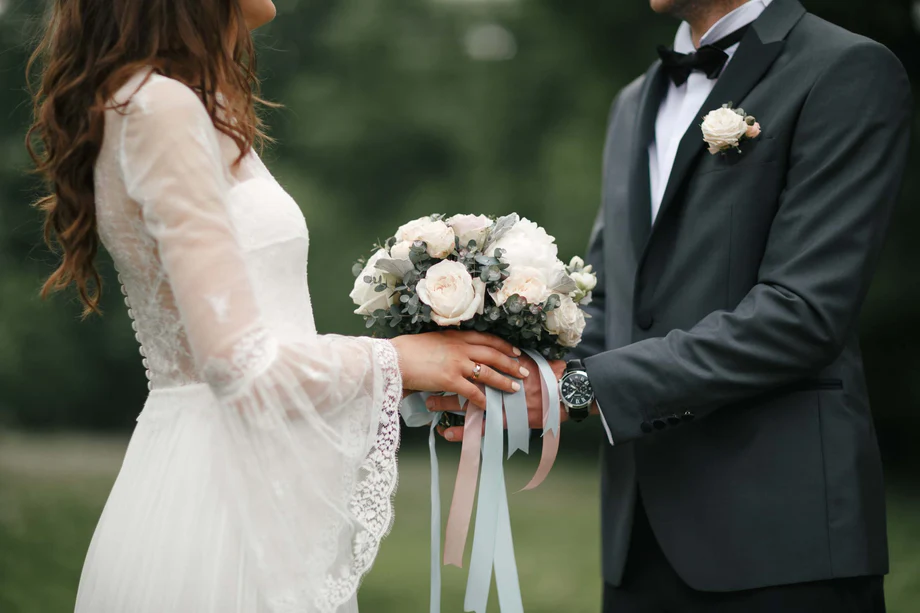
Indonesian weddings today continue to evolve. Many couples choose to simplify certain rituals, blend cultural traditions, or incorporate international elements into their celebrations. Yet even with these changes, the heart of the tradition remains untouched. Respect for family, spiritual depth, and the importance of community continue to define every Indonesian wedding ceremony, whether it takes place in a luxury hotel in Jakarta or a modest neighborhood hall.
For expats, being invited to such an event is more than a polite social gesture. It is often a turning point in their experience of Indonesia. Moments like these offer a deeper understanding of how people connect, how relationships are nurtured, and how community plays an essential role in everyday life. Over time, these cultural encounters shape how expats begin to see Indonesia not just as a temporary destination, but as a place where meaningful connections can grow.
This is also why where you choose to live matters. Many expats in Indonesia are now drawn to co-living environments like Rukita, where the experience goes beyond having a private room. Living in a Rukita residence allows expats to be part of a diverse, socially connected community, where interactions with local residents and fellow internationals happen naturally in shared spaces and daily routines. It creates the kind of environment where cultural understanding develops organically, not through formal events, but through real relationships.
By learning the meaning behind Indonesian wedding customs and choosing to live in communities that encourage connection, expats no longer experience Indonesia from the outside. Instead, life begins to unfold within the country’s rhythm, allowing a deeper sense of belonging and a more authentic connection to the social fabric, rather than remaining a distant observer.
Want to find a comfortable, modern, and strategically located coliving or apartment to stay in? Rukita offers many kinds of colivings and apartments that you can rent to live a more comfortable life.
Don’t forget to download Rukita app via Google Play Store or App Store or visit www.Rukita.co. Follow Rukita’s Instagram account @rukita_indo, Twitter account @rukita_id, and TikTok account @rukita_id to get the most recent information and other interesting deals!
Bagikan artikel ini