Indonesia’s Long-Term Visa Guide for Expats in 2026


Navigate Indonesia’s long-term visa options, digital applications, and essential tips for a smoother move and stay.
Moving to Indonesia can be an exciting new chapter, whether you’re starting a new job in Jakarta, settling into life in Bali, or working remotely for a company overseas. Along with finding a place to live and getting used to a new environment, understanding Indonesia’s visa regulations is an important part of making the transition smoother.
Indonesia offers several visa and stay permit options for foreign nationals, depending on their plans and circumstances. From employment and remote work to retirement and family-related stays, each category comes with its own requirements and conditions.
As immigration services become increasingly digital, applying for a visa can be more convenient than before. Still, navigating the different categories, preparing the right documents, and understanding which activities are permitted can take some research, especially for those planning to stay for the long term.
For expats looking to make Indonesia their home, getting familiar with these options can help avoid unnecessary complications and make long-term plans easier to manage. Here’s a closer look at Indonesia’s visa options, digital application process, and the regulations worth knowing before settling in.
Also Read: What to Wear to an Indonesian Wedding: Indonesian Wedding Guest Attire Guide for Expats
How Does Indonesia’s Digital Visa System Work?
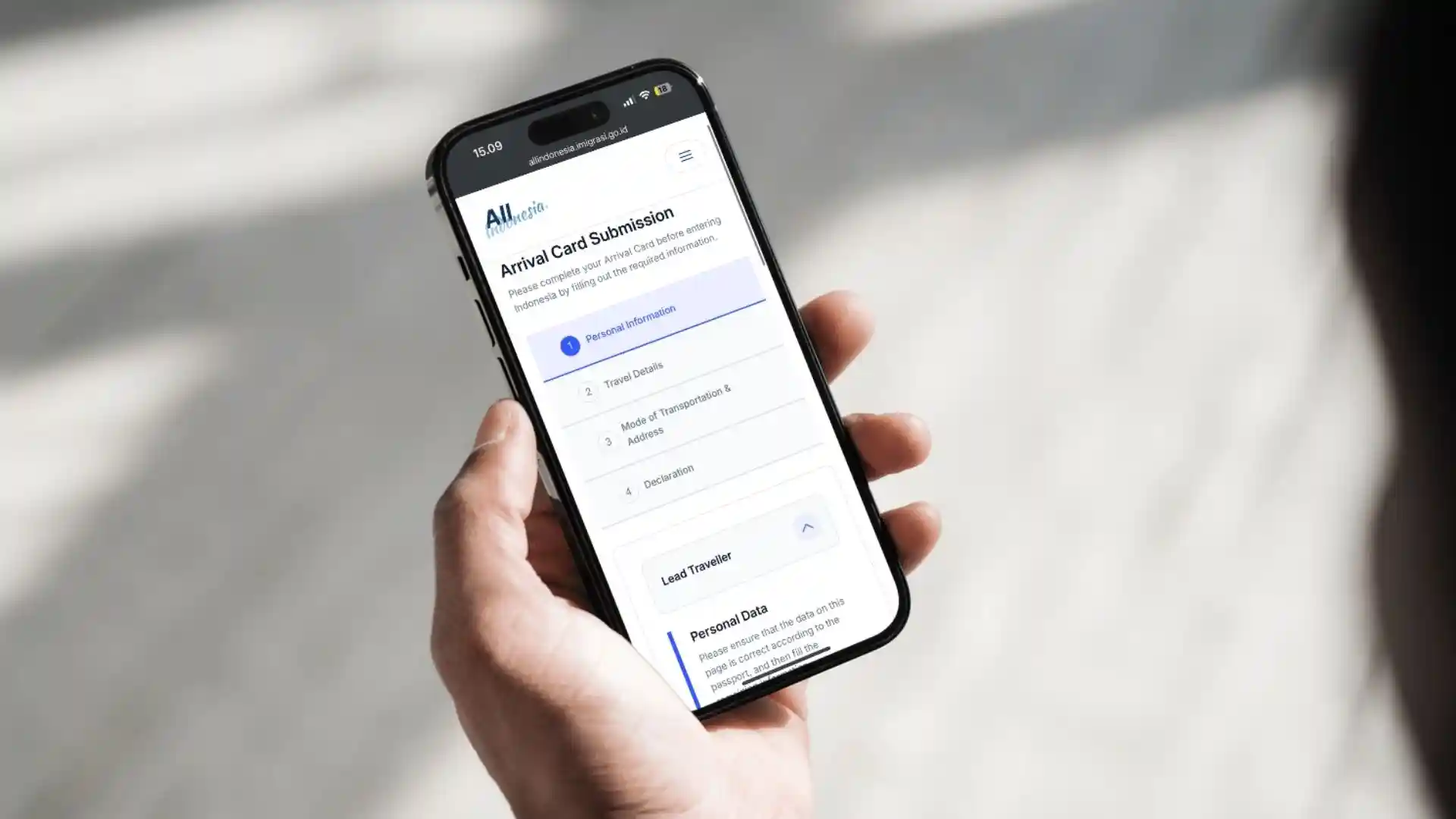
Indonesia has introduced electronic visa services to make immigration procedures more accessible. Instead of relying entirely on paper documents and in-person visits, eligible applicants can submit applications, make payments, and receive their visa documents electronically through the official immigration system.
For many expats, this makes the initial application process more convenient. However, not every step is necessarily completed online, and some applications may still require additional verification or assistance from a sponsor.
The first step is to identify the visa category that matches your actual plans in Indonesia. A visa intended for tourism, for example, does not automatically allow you to work remotely or take up employment with an Indonesian company.
You should also distinguish between a visa and a stay permit. A visa allows you to enter Indonesia for a specified purpose, while your stay permit determines the conditions under which you can remain in the country.
For official information and applications, visit the Directorate General of Immigration’s website. Always check the latest requirements before submitting your application, as eligibility, fees, and supporting documents can vary by visa category.
What Are the Long-Term Visa Options for Expats in Indonesia?

The right visa depends on what you plan to do while living in Indonesia. Before choosing one, consider whether you will work for an Indonesian employer, remain employed by an overseas company, retire in Indonesia, or join a family member who already lives here.
1. Work visas for foreign employees
If you plan to work for an Indonesian company, you will generally need an appropriate work-related immigration status. The process involves more than simply entering Indonesia with a visa, as your employment arrangement and the applicable work authorization requirements must also be considered.
In many cases, the Indonesian employer plays an important role in sponsoring the application and preparing the necessary documentation. The exact process depends on your position, the employer, and the applicable immigration and manpower regulations.
Before accepting a job offer, ask the company which visa and work authorization arrangements it will provide. This is particularly important if you are moving to Indonesia specifically for employment.
2. The E33G visa for remote workers
If you work for a company based outside Indonesia, the E33G remote worker visa may be worth exploring. This limited-stay visa is designed for eligible foreign nationals who want to live in Indonesia while carrying out work for an overseas company.
Unlike a tourist visa, this category is specifically intended for remote work under its applicable conditions. It can be an option for professionals who want to experience life in Indonesia without taking up a job with a local employer.
However, the E33G visa is not a blanket authorization to work for any business in Indonesia. You should review the official eligibility requirements, permitted activities, financial documentation, and other conditions before applying.
It is also worth considering whether the visa makes financial sense for your situation. Application costs, income requirements, accommodation expenses, and the length of time you intend to stay can all affect your decision. For remote workers who expect to remain in Indonesia for an extended period, having an immigration status that matches their work arrangement can provide greater clarity than relying on repeated short-term visits.
3. Retirement visas for eligible applicants
Indonesia also offers stay permit options for eligible foreign nationals who want to spend their retirement years in the country. These options may appeal to expats who prefer a slower pace of life, enjoy Indonesia’s climate, or want to remain close to family members living here. Retirement-related visas have their own eligibility criteria, which may include age, financial capacity, insurance, and other supporting documents, depending on the applicable category.
Keep in mind that a retirement visa is not a substitute for a work permit. If you intend to take on paid work or conduct business activities, make sure you understand whether those activities are permitted under your chosen immigration status.
4. Family and investment-related stay permits
Expats may also qualify for other long-term stay options through family relationships, investment activities, or specific immigration programs. For example, eligible foreign nationals may apply for family-related permits if they meet the requirements for joining a spouse or other qualifying family member in Indonesia.
Investors may have different options depending on the nature of their investment and the applicable rules. Some stay permits are available for longer periods than standard visitor visas.
However, a longer validity period does not mean every activity is automatically permitted. Rather than choosing a visa based solely on how long you can stay, make sure it fits your personal circumstances and intended activities.
Is Indonesia’s Digital Nomad Visa Worth It in 2026?
For remote workers, the main advantage of a dedicated visa is that it offers an immigration pathway designed around working for an overseas company while living in Indonesia. This can be especially useful if you plan to stay in Bali, Jakarta, or another Indonesian city for an extended period. You can arrange your accommodation, establish a daily routine, and plan your expenses without treating your stay as a short holiday.
However, the E33G visa may not be the most suitable option for everyone. Its financial and documentation requirements can make it less practical for freelancers, early-career professionals, or people whose income varies from month to month.
Before applying, compare the total cost of the visa with the length of your intended stay. You should also check whether your employment arrangement meets the visa conditions and whether your income documents satisfy the current requirements.
Another important consideration is taxation. Spending an extended period in Indonesia may affect your tax residency or reporting obligations, depending on your circumstances and applicable tax rules. Immigration permission and tax status are separate matters, so it is worth seeking professional tax advice if you plan to work remotely from Indonesia for much of the year.
Ultimately, a remote worker visa can be worthwhile if you meet the requirements and want a more structured way to live in Indonesia. The key is to understand its conditions before making financial commitments.
How to Apply for a Visa Without Falling for Immigration Scams
Applying for an Indonesian visa can feel complicated, especially if you are unfamiliar with local procedures. While immigration consultants and visa agents may offer useful assistance, it is important to know who you are dealing with before handing over your passport details or money.
1. Start with the official immigration website
Before contacting an agent, check the relevant visa category on the official immigration website. This helps you understand the basic eligibility criteria, required documents, and applicable fees.
It also gives you a reference point when comparing an agent’s advice with the official requirements. Be cautious if someone promises guaranteed approval or claims to have a special way to bypass immigration rules.
2. Ask for a clear breakdown of fees
If you decide to use an agent, ask for an itemized quotation that separates official government fees from service charges. Make sure you understand what the service includes, whether extensions are covered, and whether additional expenses may arise during the process.
An unusually low price may not cover the full process, while an expensive package does not necessarily guarantee a better outcome. A clear written agreement can help prevent misunderstandings later.
3. Keep copies of your application documents
Save copies of your passport, visa, stay permit, payment receipts, and any correspondence related to your application. Keep track of your application reference number and the expiry dates of your immigration documents.
If an agent submits the application on your behalf, ask for confirmation that it has been filed and request the relevant reference details. You should be able to verify your immigration status rather than relying entirely on verbal assurances.
4. Watch out for unofficial payment requests
Be careful if someone asks you to transfer money to an unrelated personal account without providing a clear explanation or official receipt. Verify the payment instructions through the relevant official channel before sending money.
Never assume that a visa is valid simply because an agent has sent you a screenshot or a document that looks official. Check the details carefully and confirm that your application has been processed through the appropriate system.
5. Check your stay permit before it expires
Your visa and stay permit may have different conditions and expiry dates, so keep track of both. Do not wait until the last minute to ask about an extension or a change of immigration status.
If your circumstances change, such as moving from a tourist stay to employment or remote work, check whether you need a different visa or permit. Staying beyond your authorized period or engaging in activities outside your permitted scope can lead to immigration problems.
What Does Permenkum No. 15 of 2026 Mean for Foreign Nationals?
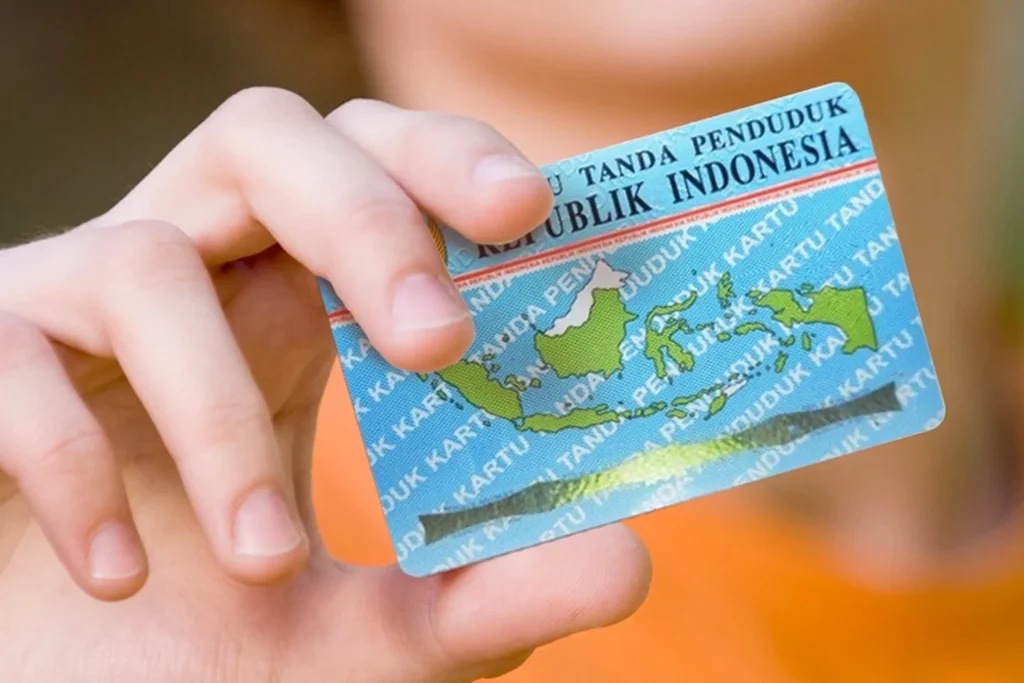
Indonesia’s move toward digital public services also includes changes to citizenship administration. One regulation to be aware of is Minister of Law Regulation No. 15 of 2026, known as Permenkum No. 15 Tahun 2026, which concerns citizenship services.
The regulation covers citizenship-related services, including naturalization, citizenship matters, and citizenship status. It is scheduled to take effect on December 20, 2026, replacing several earlier regulations governing these services.
For most expats, however, this regulation is not the document to consult when applying for a KITAS or a remote worker visa. Citizenship and immigration stay permits are separate legal matters, even though both involve a person’s status in Indonesia.
Naturalization is relevant to foreign nationals who may be eligible to become Indonesian citizens and are prepared to follow the applicable legal process. It is not a shortcut for obtaining a long-term stay permit, nor does a digital application system automatically make someone eligible for Indonesian citizenship.
Indonesia also generally does not recognize dual citizenship for adults, subject to specific legal provisions and exceptions. Anyone considering naturalization should carefully review the nationality rules that apply to their circumstances before making a decision. If your goal is simply to live and work in Indonesia for several years, exploring the appropriate stay permit is usually a more relevant starting point than pursuing citizenship.
Can Expats Manage Their Immigration Applications Without an Agent?
In many cases, the official electronic visa system allows applicants or their authorized sponsors to handle eligible procedures online. This means hiring a private agent is not automatically necessary for every application.
However, whether you can apply independently depends on the visa category and its sponsorship requirements. Some applications require a qualifying sponsor, employer, or other responsible party to submit documents through the relevant system.
If your situation is straightforward, starting with the official immigration portal may be enough to help you understand the process. If your case involves a change of immigration status, complicated family circumstances, or uncertainty about work authorization, professional advice may be useful. The important thing is to choose assistance based on your actual needs rather than assuming that every visa application requires an intermediary.
Moving to Indonesia involves more than just securing the right visa. You’ll also need to find a comfortable place to live, manage your monthly expenses, and build a routine that fits your work and lifestyle.

For expats relocating to Jakarta, choosing accommodation close to public transportation, supermarkets, cafés, and other everyday essentials can make settling in much easier. If you work remotely, having a furnished room and reliable Wi-Fi can also help you stay productive while adjusting to your new surroundings.
Rukita offers furnished living options in selected locations across Indonesia, making it easier to find a place that feels like home without the hassle of furnishing an entire space yourself. Explore available properties on the Rukita website or click the button below to find your next home.
Don’t forget to download Rukita app via Google Play Store or App Store or visit www.rukita.co. For the latest updates, helpful tips, and exciting deals, follow Rukita on Instagram @rukita_indo, X account @rukita_id, and TikTok account @rukita_id to get the most recent information and other interesting deals!
Before making the move, take the time to ensure your visa, work arrangements, and accommodation plans are in order. With the right preparation, you can spend less time worrying about logistics and more time enjoying your new life in Indonesia.
Bagikan artikel ini