Hari Batik: Celebrating a Living Heritage Through Community and Culture

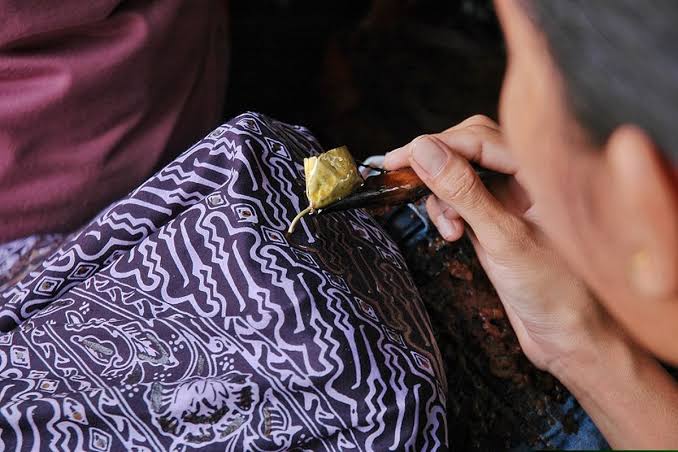
Let’s make Hari Batik a moment to connect, celebrate, and pass it on.
Every year on October 2, Indonesia celebrates National Batik Day, a moment to appreciate one of the country’s most recognizable cultural expressions. But batik is more than a pattern worn on a special occasion. Behind every motif lies knowledge, craftsmanship, symbolism, and a tradition passed down through generations.
In 2009, Indonesian Batik was inscribed by UNESCO on the Representative List of the Intangible Cultural Heritage of Humanity. UNESCO recognizes batik not simply as a textile, but as a cultural practice encompassing techniques, symbolism, and traditions woven into everyday Indonesian life—from birth and marriage ceremonies to professional settings and other cultural rituals.
This is what makes batik a living heritage: it continues to be practiced, adapted, and passed on by communities rather than existing only as something preserved in museums.
Beyond the Pattern: The People Behind Batik
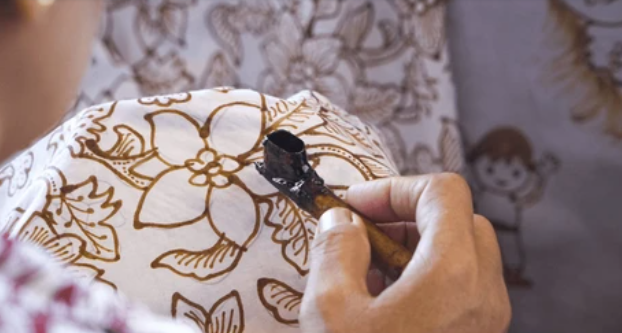
When we admire a piece of batik, it is easy to focus on its intricate motifs and colors. Yet its value goes much deeper. Traditional batik-making involves knowledge and skills that can take years to learn, from preparing the fabric and applying hot wax to understanding motifs, colors, and dyeing techniques.
UNESCO notes that Indonesian batik traditions are often passed down within families across generations. Its motifs also reflect diverse influences, including nature, local communities, history, and cultural interactions. Safeguarding batik, therefore, also means safeguarding the knowledge and livelihoods connected to it.
For artisans and communities, keeping batik alive means having opportunities to continue practicing their craft and earning a living from it. This is where cultural preservation intersects with the social dimension of sustainability: heritage can remain relevant when the people who carry it are supported and younger generations can see a future in continuing the tradition.
Batik and the Bigger Picture of Sustainability

The idea of living heritage also connects naturally with the broader concept of sustainability. UNESCO describes living heritage as closely connected to sustainable development because both emphasize meeting present needs while maintaining the ability of future generations to benefit from cultural, social, and environmental resources.
For batik, this perspective can take several forms. First, cultural sustainability means ensuring that knowledge, techniques, stories, and meanings continue to be transmitted.
Second, social sustainability means recognizing the artisans and communities who keep these traditions alive and creating opportunities for their skills to remain economically viable.
Third, environmental sustainability can be reflected in efforts to improve production practices. The Indonesian Batik Foundation, for example, works with batik communities on natural dyeing, sustainable production, waste awareness, recycling, and other initiatives intended to reduce the environmental impact of batik production.
Together, these dimensions remind us that sustainability is not only about carbon emissions or energy efficiency. It is also about preserving the cultural and social systems that give communities identity, continuity, and livelihoods.
Bringing People Together Through Community
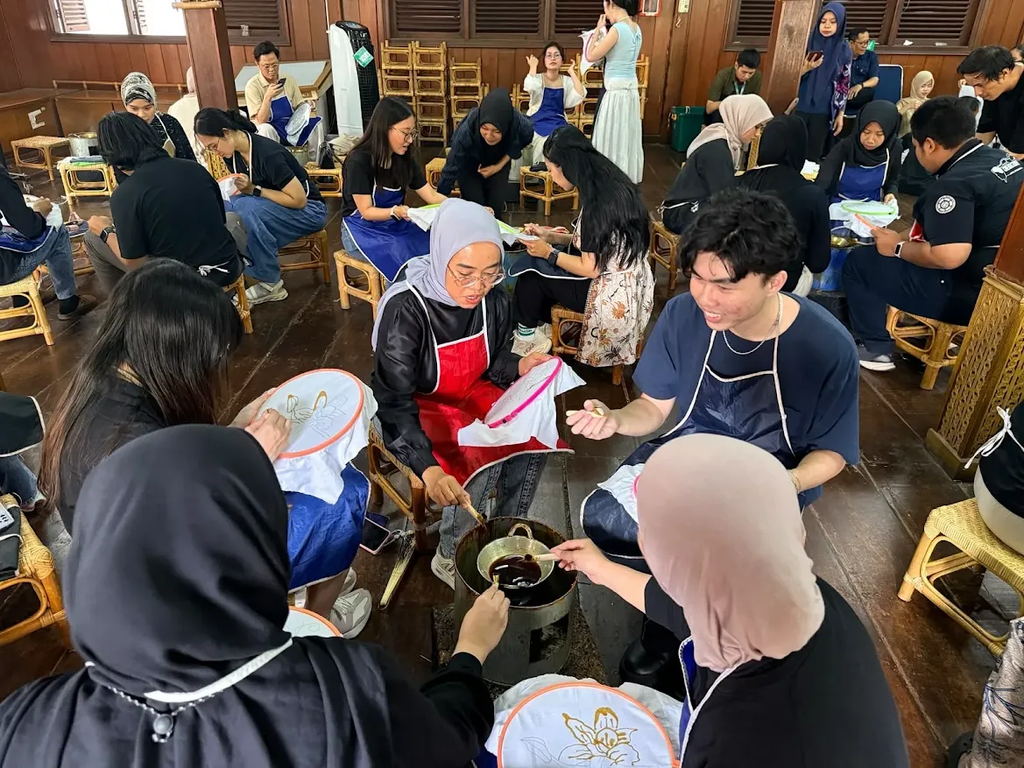
Cultural heritage is also an opportunity to bring people together. Living away from home can sometimes feel isolating—especially for young professionals and students working to build new social circles in a new city. Community activities create simple, meaningful opportunities to meet people, share experiences, and feel more connected to the place they call home.
Inspired by this spirit, Rukita brought community members together for a hands-on batik workshop on September 26. Hosted at the Textile Museum (Museum Tekstil Jakarta), participants had the opportunity to craft their own batik pieces, applying hot wax (lilin malam) with a canting on 50 x 50 cm fabric squares.
This is where Batik Day becomes more than a traditional celebration. A hands-on batik workshop gives residents an opportunity to learn about Indonesian heritage while spending quality time together. The creative process offers a natural, low-pressure way to spark conversations, collaborate, and unwind outside their daily routines.
At Rukita, sustainability is part of a broader commitment to creating better urban living—not only through environmental initiatives, but also by fostering community connection and social well-being.
“Our ESG journey reflects the belief that creating a more responsible future requires attention to both environmental impact and social value. Cultural heritage offers another perspective on that responsibility: the places we live in are shaped not only by buildings and infrastructure, but also by the stories, traditions, and communities around us,” said Ananda Putra, Rukita Sustainability (ESG) Manager.
Keeping a Living Heritage Alive for the Next Generation
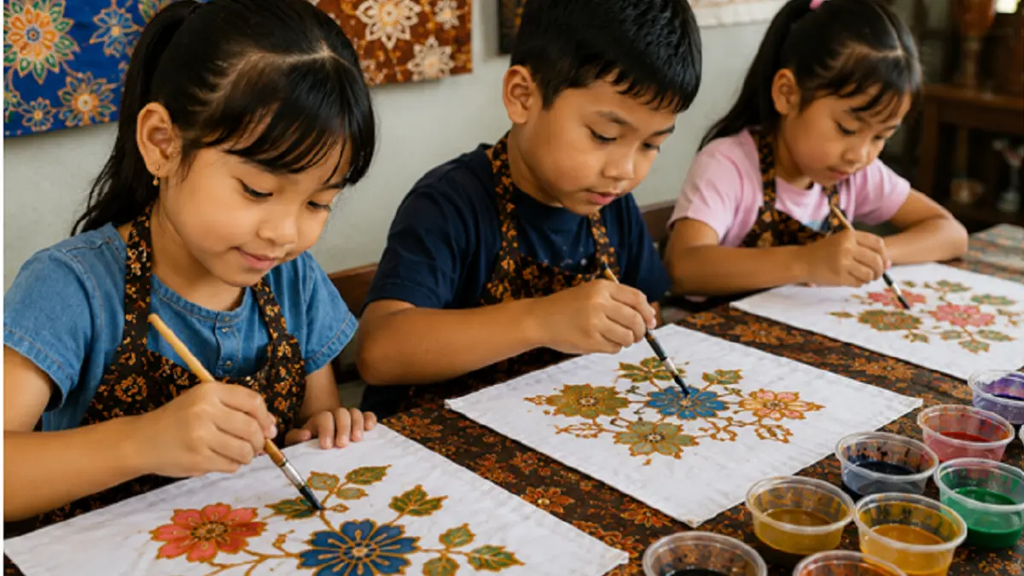
A tradition cannot survive simply because it is celebrated once a year. It needs to be practiced, taught, appreciated, and allowed to evolve. This challenge has been recognized in efforts to safeguard Indonesian batik. UNESCO highlights an education and training programme in Pekalongan that was selected for its Register of Good Safeguarding Practices.
The programme was developed partly in response to concerns about declining interest among younger generations. It introduces students—from elementary and secondary schools to vocational schools and polytechnics—to batik’s history, cultural values, and traditional skills.
The idea is simple but important: young people need to encounter heritage not only as history, but as something they can understand, practice, and make relevant to their own lives. Batik’s ability to evolve is also part of what makes it a living heritage. UNESCO’s 2009 decision recognized that Indonesian batik continues to evolve while retaining its traditional meanings.
Today, that evolution can be seen in how batik appears in contemporary fashion, accessories, interiors, creative products, and everyday clothing. Its continued relevance does not necessarily mean preserving every practice unchanged. Instead, it means creating space for tradition and innovation to exist together.
From Wearing Batik to Supporting Its Future

Celebrating National Batik Day can go beyond simply wearing batik for a day. We can learn about the meaning behind different motifs, understand the craftsmanship involved in creating handmade batik, seek out products from artisans and responsible producers, and introduce younger generations to batik in ways that feel relevant to them.
In this sense, heritage is not something that belongs only to the past. It is something we collectively carry into the future. Even everyday choices can contribute to keeping a tradition alive. Here are some ways to get started:
1. Learn the Story behind the pattern
Start by understanding what makes Indonesian batik different from an ordinary printed fabric. Learn about regional motifs such as Parang, Kawung, Mega Mendung, and Truntum, and discover the stories and meanings behind them. Knowing the story can turn wearing batik from a fashion choice into a more meaningful connection with Indonesian culture.
2. Try making batik yourself
A workshop can be a simple first step. Learning how to use a canting, apply lilin malam, and create a motif gives younger generations a firsthand appreciation of the patience, skill, and craftsmanship required to produce handmade batik.
3. Support artisans and local makers
Buying directly from artisans, visiting batik villages, or choosing products from responsible producers can help sustain demand for their skills and livelihoods. Supporting the people behind batik also helps ensure that traditional knowledge continues to have a place in the next generation.
4. Bring batik into everyday life
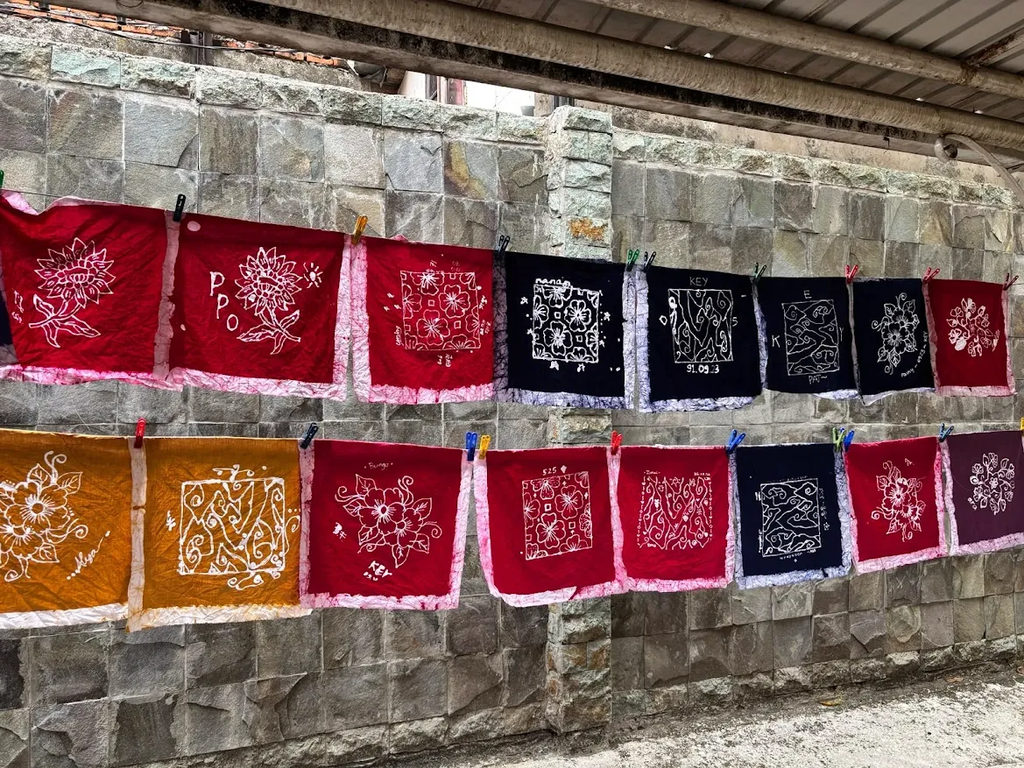
Batik does not have to be reserved for formal occasions. Younger generations can incorporate it into everyday fashion, accessories, home décor, creative projects, and other contemporary uses. By making batik part of everyday life, we can help keep it relevant while continuing to appreciate its cultural roots.
5. Share what you learn
Social media can become another way of passing heritage forward. Share the story behind a motif, introduce a local artisan, document a batik workshop, or show how batik fits into contemporary life. These simple actions can help introduce Indonesia’s cultural heritage to people who may not otherwise encounter it.
6. Encourage innovation without losing the connection to tradition
Preservation does not necessarily mean keeping batik unchanged. Batik has continued to evolve over generations, and innovation can help it remain relevant to new audiences. The Indonesian Batik Foundation, for example, supports innovation in areas such as design, fashion, technology, and new applications as part of efforts to sustain batik as a viable economic activity for future generations.
This October 2, let’s celebrate batik not only as a symbol of Indonesian culture, but as a living heritage—one that continues to connect people, communities, creativity, and generations.
Bagikan artikel ini