World Cleanup Day 2026 Encourages More Responsible Waste Management


Small actions, big impact on World Cleanup Day.
As cities continue to grow, so does the amount of waste generated by everyday activities. From food scraps and packaging to household waste, the way we consume, dispose of, and manage resources has become an increasingly important part of building healthier and more sustainable urban communities.
At Rukita, sustainability is not only about how buildings use energy or resources. It is also about encouraging more responsible ways of living and creating spaces where environmental awareness can become part of everyday habits.
World Cleanup Day, observed globally on 20 September 2026, brings governments, communities, organizations, businesses, and individuals together to raise awareness about waste and promote more sustainable waste and resource management.
Understanding the Global Waste Challenge

Waste is often treated as something that disappears once it leaves our homes, but the reality is far more complex. Every item thrown away continues to have an environmental impact through collection, transportation, processing, recycling, or disposal.
According to the United Nations, global municipal solid waste generation is projected to increase from 2.1 billion tonnes in 2023 to 3.8 billion tonnes by 2050. Without urgent improvements in waste management, the direct global cost of managing waste could also nearly double by 2050.
As urban populations grow, cities need more than efficient waste collection systems. They also need more responsible consumption habits and stronger participation from the communities they serve.
That is where World Cleanup Day becomes more than a one-day cleanup activity. Established through United Nations General Assembly Resolution 78/122 in December 2023, 20 September is officially recognized as World Cleanup Day, encouraging stakeholders across society to raise awareness of the role cleanup efforts play in sustainable development.
For Rukita, this perspective aligns with a broader understanding of ESG. Environmental responsibility is not limited to large-scale technologies or infrastructure, but can also begin with how people interact with the spaces they live in every day.
Why Food Waste Matters in Sustainable Cities
For World Cleanup Day 2026, the global focus shifts toward one of the most preventable forms of waste, food waste. Under the theme “From Clean Plates to Clean Cities,” this year’s observance highlights the connection between what happens on our plates and the sustainability of the cities around us.
More than 1 billion meals are wasted globally every day, while food waste is estimated to contribute around 8–10% of global greenhouse gas emissions. Beyond the waste itself, discarded food also represents wasted land, water, energy, and resources used throughout the food supply chain.
The issue is particularly relevant in urban communities, where food is consumed every day across households, restaurants, offices, and shared living spaces. What may seem like a small amount of leftover food can become significant when repeated across thousands or even millions of people.
Reducing food waste therefore requires more than simply cleaning up after consumption. It requires a shift toward more mindful purchasing, better portion planning, responsible consumption, food recovery, and organic waste management.
For communities like those living in coliving spaces, this creates an opportunity to make sustainability more practical. Shared kitchens, common areas, and community activities can become spaces where residents learn and practice more responsible consumption together.
Turning Everyday Habits into Environmental Action
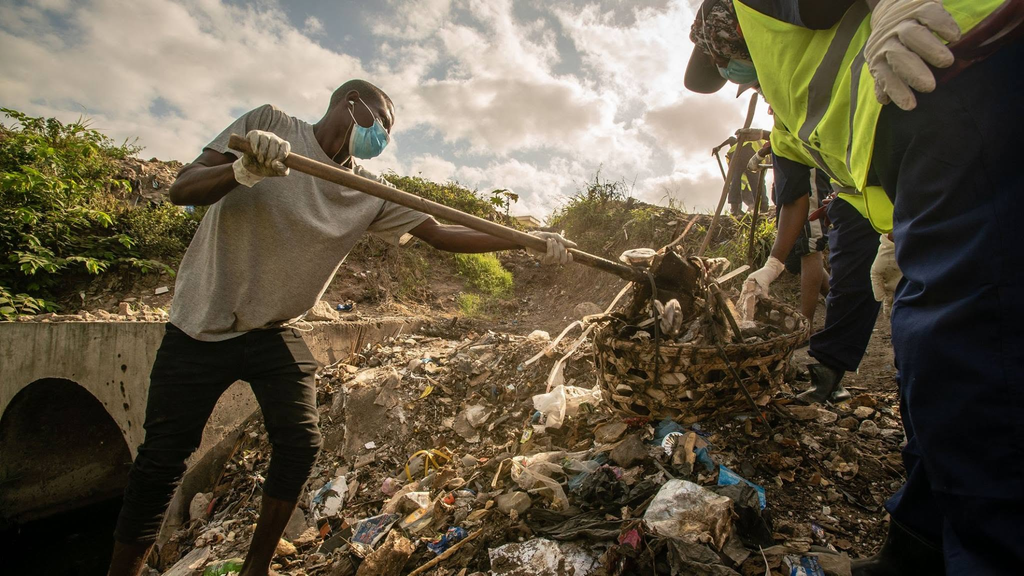
Sustainability does not always require a major lifestyle change. In many cases, meaningful environmental action starts with simple decisions that can be repeated consistently.
Planning meals before shopping, taking only the amount of food that can be finished, storing food properly, and finding ways to reuse ingredients are small habits that can help prevent unnecessary food waste. Separating waste according to its type can also make recycling and responsible disposal more effective.
The same principle applies beyond food. Choosing reusable products, reducing unnecessary packaging, repairing items instead of immediately replacing them, and being more conscious about consumption can help reduce the amount of waste generated in the first place.
“Environmental action does not always have to start with a large-scale initiative. Sometimes, it begins with simple habits that we practice consistently and encourage others to adopt,” said Ananda Putra, Rukita Sustainability (ESG) Manager.
For Rukita, creating a more sustainable living environment means recognizing that the building itself is only one part of the equation. The people who live in it also play an important role in determining how sustainable that environment can become.
This is why ESG initiatives can have greater impact when they are connected to everyday experiences. When sustainable choices become convenient, visible, and easy to practice, environmental responsibility can gradually become part of the culture of a community.
Creating More Sustainable Communities Through Collective Action
The scale of the global waste challenge can sometimes make individual actions feel insignificant. Yet World Cleanup Day demonstrates that collective action can turn thousands of small contributions into a movement with global reach.
The United Nations emphasizes that addressing the waste crisis requires collaboration between governments, civil society, the private sector, academia, and communities. Cleanup activities are not only about removing waste, but also about strengthening awareness and collective responsibility for maintaining clean and healthy environments.
This collaborative approach reflects an important principle in ESG, meaningful sustainability requires participation across different stakeholders. Businesses can provide better systems and infrastructure, communities can build sustainable habits, and individuals can make more responsible choices in their daily lives.
For the property and housing sector, this responsibility is especially relevant because buildings are where many everyday activities take place. The way people consume energy, water, food, and other resources within these spaces can collectively shape the environmental impact of urban living.
Building a More Responsible Future for Urban Living
At Rukita, the ESG journey is therefore about continuously exploring ways to create better living environments while considering their wider environmental and social impact. From more efficient building technologies to everyday sustainability practices, each initiative contributes to a broader effort to make urban living more responsible.
World Cleanup Day reminds us that a cleaner future does not begin only when we pick up waste from the streets. It begins much earlier, with the choices we make about what we buy, what we consume, what we reuse, and what we ultimately throw away.
As cities continue to grow, creating sustainable communities will require more than cleaner buildings. It will require people, businesses, and communities to work together to rethink how resources are used and how waste is managed.
Through initiatives that encourage greater awareness and more responsible living, Rukita continues its ESG journey toward creating healthier, more sustainable homes for Indonesia’s growing urban communities.
Bagikan artikel ini