Easy Waste Management Habits in Coliving: Why Waste Separation Matters More Than You Think

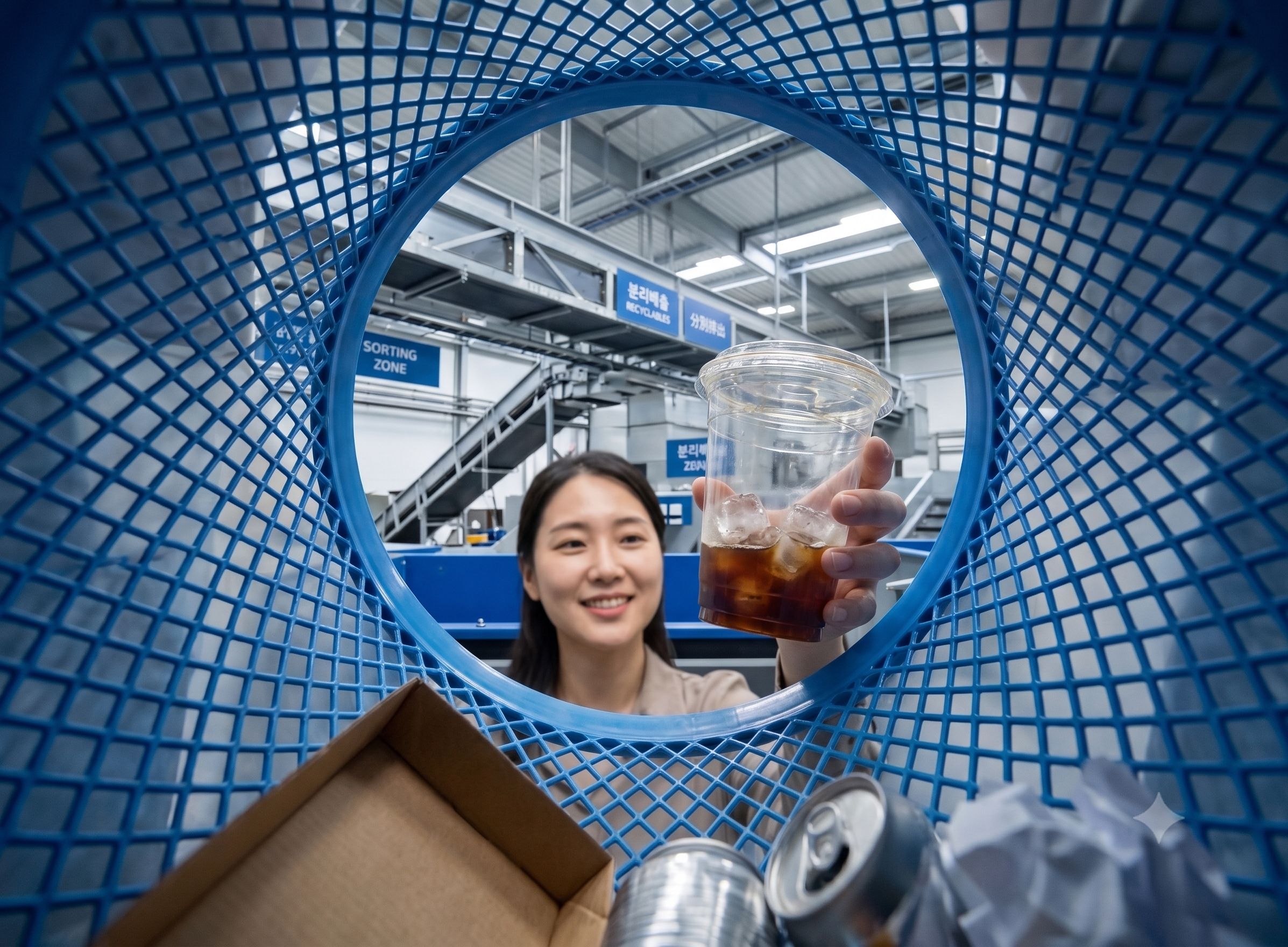
Discover why proper waste management starts with simple daily habits.
You finish your iced coffee, throw the plastic cup into the nearest bin, and move on with your day. But have you ever wondered what happens next?
Does your cup get recycled? Does it end up in a landfill? Or does a little leftover ice and coffee inside the cup make it impossible to recycle?
For many Gen Z and Millennials, sustainability is no longer just a buzzword—it’s becoming part of everyday life. Many of us carry reusable tumblers, bring our own shopping bags, and support brands that care about the environment. Yet one simple habit often gets overlooked: proper waste management.
When you’re living in a coliving space, your daily choices don’t just affect you—they also impact your housemates and the environment around you. The good news? Building better waste management habits doesn’t require a major lifestyle change. It starts with a few simple actions that anyone can do every day.
Why Waste Separation Matters
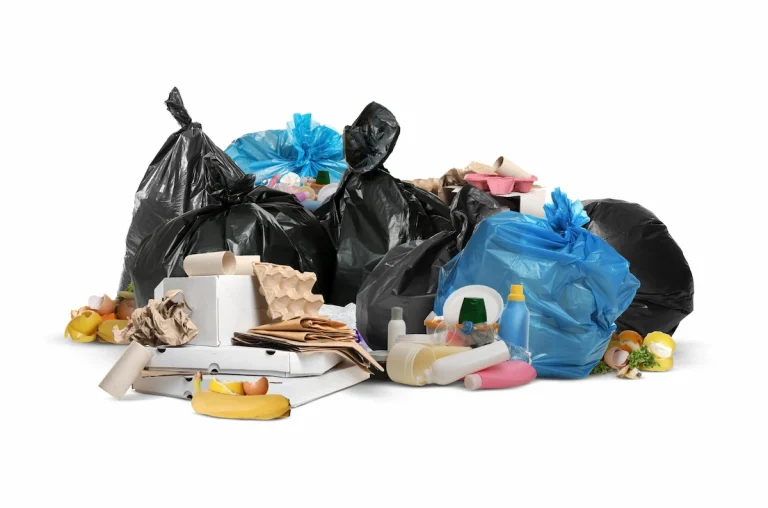
Not all trash is created equal. Food scraps, plastic bottles, cardboard boxes, glass containers, and aluminum cans all need different treatment after they’re thrown away. When recyclable materials are mixed with food waste or liquids, they can become contaminated, making them much harder—or even impossible—to recycle.
Imagine ordering takeout after a long day and tossing the greasy food container into the recycling bin without cleaning it. It may seem like a small mistake, but one contaminated item can affect an entire batch of recyclable materials.
Proper waste separation helps:
- Reduce the amount of waste sent to landfills.
- Improve recycling efficiency.
- Recover valuable materials that can be used again.
- Keep shared spaces cleaner and more hygienic.
In a coliving environment where multiple people share common areas, these small habits make an even bigger difference.
Where Does Your Trash Actually Go?
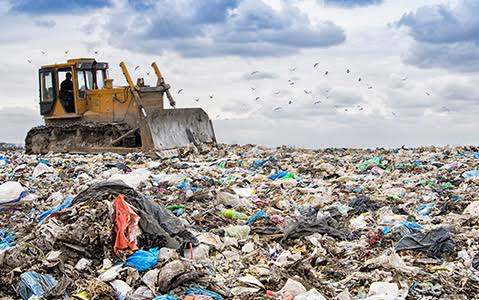
Most of us only see the first step of the waste journey—the moment we throw something into the bin. But that’s just the beginning.
If recyclable waste is clean and properly separated, it may be transported to a recycling facility where plastic, paper, metal, and glass are sorted and processed into new materials.
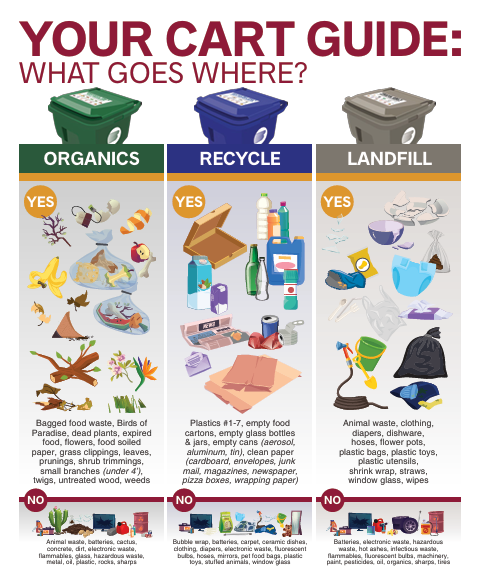
Organic waste, such as fruit peels or leftover vegetables, can potentially be composted and turned into nutrient-rich fertilizer instead of producing methane in landfills.
However, mixed waste often follows a different path. Once recyclable materials are contaminated with food or mixed with general waste, they are much less likely to be recycled and may end up in a landfill instead.
This is why how we throw away our trash is just as important as what we throw away.
Also read: Living Low Carbon at Your Coliving Space: Simple Habits That Make a Real Difference
5 Easy Waste Management Habits Every Coliving Resident Can Practice
What can you do as a coliving resident to create a cleaner, healthier, and more sustainable home? The good news is that you don’t need to make drastic lifestyle changes. These simple waste management habits can make a real difference—for both your housemates and the environment.
1. Separate your waste before throwing it away
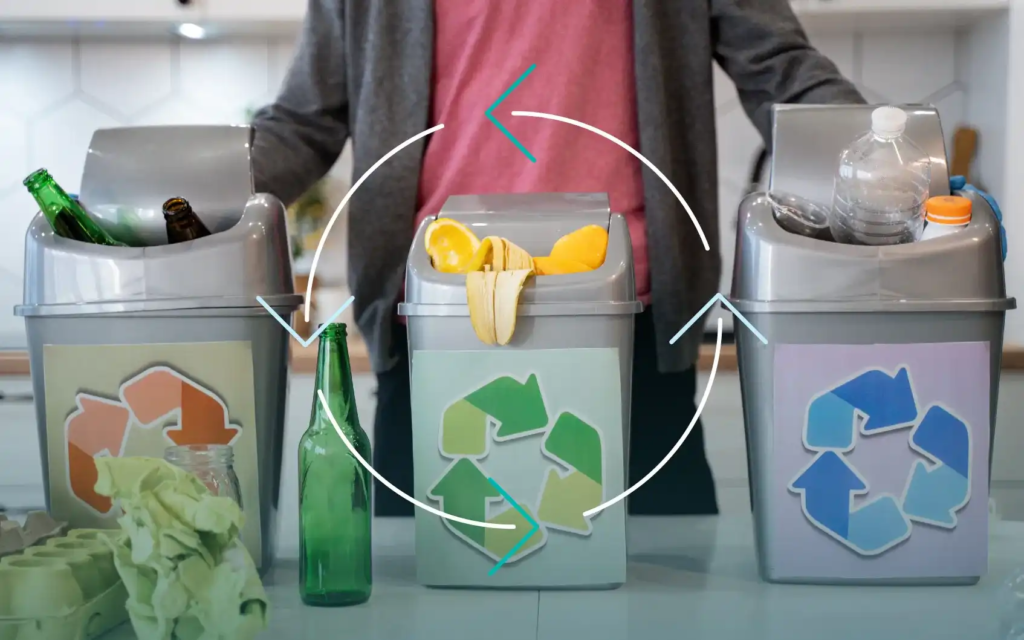
The easiest habit is often the most impactful. If your coliving provides separate bins for recyclable, organic, and general waste, take a few extra seconds to sort your trash correctly. It may seem like a small effort, but proper waste separation helps ensure recyclable materials don’t end up in landfills simply because they were mixed with food waste or other non-recyclable items.
2. Rinse takeaway containers before recycling
From iced coffee cups to takeaway lunch boxes and bubble tea cups, many of the containers we use every day can be recycled—but only if they’re clean. Before tossing them into the recycling bin, give them a quick rinse to remove leftover food or drinks. This simple habit helps prevent contamination and makes the recycling process much more effective.
3. Reduce single-use items whenever you can
Whether it’s grabbing your morning coffee or ordering dinner after work, single-use packaging can quickly add up. Instead, try carrying a reusable tumbler, water bottle, shopping bag, or lunch box whenever possible. Small swaps like these may seem insignificant, but they can greatly reduce the amount of waste you generate over time.
4. Don’t let food go to waste
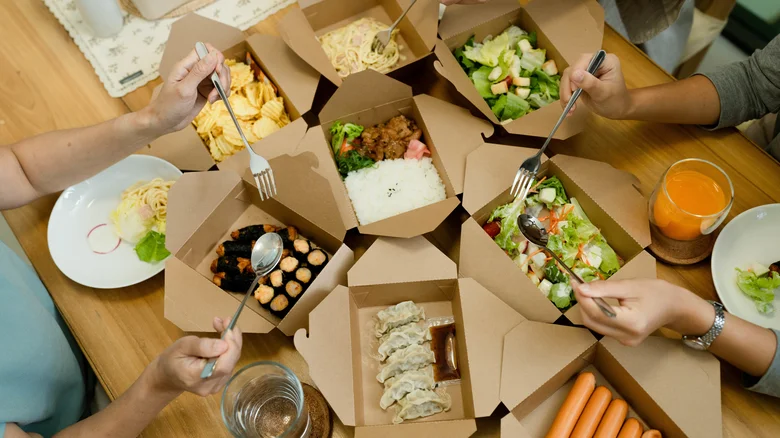
Late-night cravings, online food delivery promos, and group meals often lead to ordering more food than we can finish. Before placing your order, think about how much you’ll actually eat. Storing leftovers properly or sharing extra food with your housemates not only reduces food waste but also helps you save money.
5. Encourage your housemates to join in
Sustainable living is easier—and more fun—when everyone gets involved. You don’t have to be the “waste police.” Instead, encourage simple habits like using the correct bins, reducing plastic waste, or reminding each other to recycle. Small actions shared by everyone can gradually become part of your coliving culture.
Small Habits, Big Impact
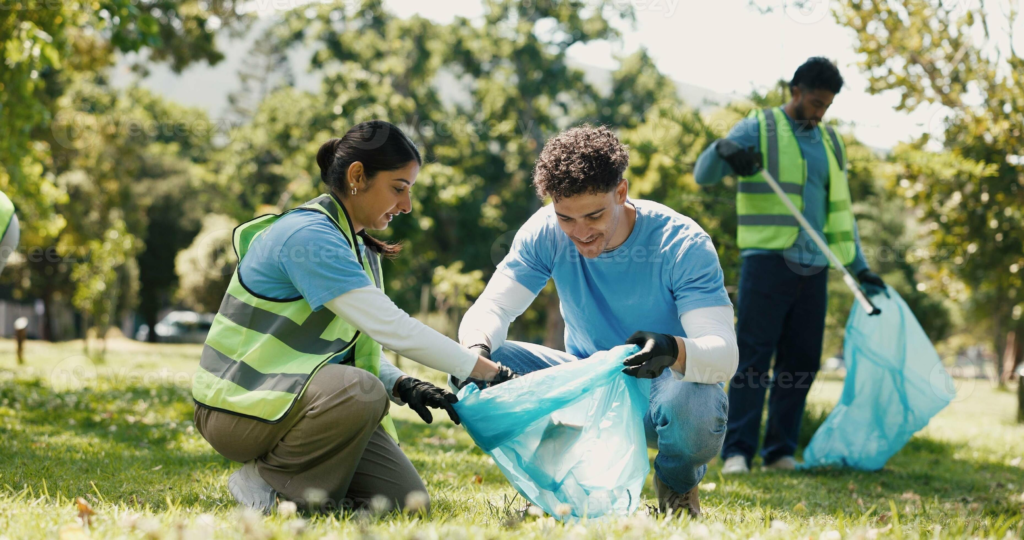
Many people think protecting the environment requires making huge lifestyle changes. In reality, sustainability is often built through everyday decisions that seem small at first.
Separating your trash, rinsing a plastic container, bringing a reusable bottle, or finishing your meal before ordering more may only take a few extra moments, but these actions become much more meaningful when hundreds of people practice them consistently.
That’s one of the advantages of living in a coliving community. Good habits are contagious. When one person starts recycling properly or reducing waste, others are often inspired to do the same.
Waste management isn’t about being perfect—it’s about making better choices every day. By building simple habits together, coliving residents can help create cleaner shared spaces, reduce environmental impact, and contribute to a more sustainable future—one piece of trash at a time.
Bagikan artikel ini
![[RukiTrick] Kamar Lembap? Nggak Perlu Panik, Cukup Ganti Mode di Remote AC Ini untuk Bantu Mengatasinya](https://www.rukita.co/stories/wp-content/uploads/2026/08/Gemini_Generated_Image_fil7rcfil7rcfil7.png)