#GelapUntukBumi: Rukita Supports Jakarta’s Energy-Saving Initiative Through a Simultaneous Lights-Off Campaign Across 2,600 Properties


Rukita turning off non-essential lights across 2,600 properties to support energy conservation and carbon reduction.
Rukita participated in #GelapUntukBumi (Lights Off for Earth), a city-wide energy conservation campaign initiated by the Jakarta Provincial Government on Saturday, June 13, 2026. This initiative is part of the implementation of Governor Instruction No. 14 of 2021 concerning Lights-Off Actions for Energy Conservation and Carbon Emission Reduction.
As a prop-tech company managing thousands of residential units across Indonesia, Rukita views sustainability as an essential part of its business operations and a tangible contribution to climate change mitigation efforts.
Through this campaign, all Rukita and Uma Kost properties located within the administrative area of DKI Jakarta took part in a 60-minute lights-off action from 08.30 PM to 09.30 PM, turning off lighting in non-essential areas. Corridors, communal spaces, rooftops, outdoor areas, parking lots, and property signage were switched off simultaneously across participating properties.
Meanwhile, critical facilities related to residents’ safety and comfort—including internet networks, water pumps, emergency lighting along evacuation routes, and security systems—remained fully operational throughout the campaign. This initiative demonstrates that environmental responsibility can go hand in hand with resident safety and convenience.
Community Event at Rukita Askara Tanah Abang During #GelapUntukBumi
As one of Indonesia’s largest residential operators, managing a network of more than 2,600 properties, Rukita leveraged its scale to create a collective and measurable environmental impact through the #GelapUntukBumi initiative. Based on internal projections, the one-hour lights-off campaign across participating properties contributed to an estimated reduction of 4.08 metric tonnes of CO₂ emissions, demonstrating how small actions can generate meaningful results when carried out collectively.
Beyond reducing energy consumption, the campaign served as an opportunity to educate residents about sustainable living and the importance of responsible energy use. By participating in the initiative, tenants were encouraged to reflect on their daily electricity consumption habits and recognize the role individuals can play in helping reduce greenhouse gas emissions.
To further engage residents, Rukita hosted a community gathering at Rukita Askara Tanah Abang, which served as the campaign’s main activity hub and content production center. Held in conjunction with the spirit of World Environment Day, the event brought together tenants to experience the lights-off movement firsthand while fostering discussions around environmental awareness, sustainability, and collective action.
The #GelapUntukBumi campaign reflects Rukita’s long-term commitment to Environmental, Social, and Governance (ESG) principles. In addition to supporting government-led energy-saving initiatives, Rukita continues to invest in sustainable property management practices, including the implementation of LED lighting systems and technology-driven energy monitoring solutions across its portfolio. Through these efforts, Rukita aims to create living spaces that are not only comfortable and connected but also more environmentally responsible for the future.
The Environmental Benefits of Turning Off Lights for One Hour

Although it lasted only 60 minutes, switching off lights and unused electrical equipment simultaneously can create a meaningful environmental impact. Lower electricity consumption reduces the demand placed on power plants to generate energy. Since a significant portion of electricity production still relies on fossil fuels, reducing electricity usage directly helps decrease carbon emissions released into the atmosphere.
In addition to its environmental benefits, energy-saving habits help raise public awareness about responsible electricity consumption. Many people do not realize that lights, air conditioners, and electronic devices left running unnecessarily contribute significantly to daily energy use. Through symbolic actions such as #GelapUntukBumi, communities are encouraged to reflect on these habits and adopt simple energy-saving practices in their everyday lives.
For residents and the general public, turning off lights for an hour can also provide an opportunity to take a break from digital activities, spend quality time with family or friends, and enjoy a quieter atmosphere. When carried out collectively by thousands of people across hundreds or even thousands of buildings, this small action can generate a real and measurable environmental impact.
What Can We Do Regularly to Save Electricity?
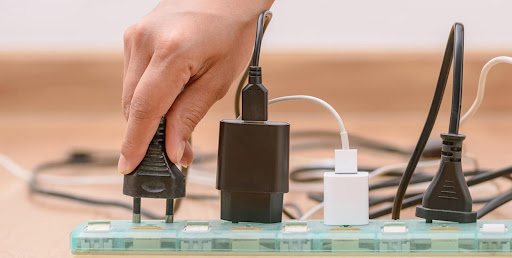
Energy conservation should not be limited to special campaigns or annual events. In fact, the greatest impact comes from simple habits practiced consistently every day. By using electricity more responsibly, we can help reduce carbon emissions while preserving energy resources for future generations.
One of the easiest steps is turning off lights and electronic devices when they are not in use. Simple habits such as unplugging chargers after use, switching off the television when nobody is watching, or setting air conditioner temperatures between 24 and 26°C can significantly reduce electricity consumption. Maximizing natural daylight during daytime hours is another practical way to save energy without compromising comfort.
Using energy-efficient appliances also plays an important role in long-term electricity savings. Replacing conventional bulbs with LED lighting, choosing energy-efficient electronic devices, and performing regular maintenance on air conditioners and other appliances can help lower power consumption. While these actions may seem small on an individual level, their collective impact can be substantial when adopted by large communities.
Within residential environments, residents can build energy-saving habits together by turning off lights in unused areas, avoiding excessive use of electrical appliances, and making more thoughtful use of shared facilities. Ultimately, protecting the planet does not always require major lifestyle changes. Consistent everyday actions are meaningful contributions that can start right at home.
Because protecting the Earth is not only about the future—it is also about the choices we make today.
Bagikan artikel ini