Indonesian Culture for Expats: A Simple Guide to Living in Indonesia


Understanding Indonesian culture for expats is essential to help you adapt smoothly.
Moving to Indonesia is an exciting opportunity, but adjusting to a new culture can be challenging without the right knowledge. As the world’s largest archipelago, Indonesia is home to more than 17,000 islands, over 1,300 ethnic groups, and diverse traditions. Despite this diversity, there are shared cultural values that shape everyday life.
This guide will help you understand Indonesian social norms, religious practices, family values, and traditions—so you can navigate life in Indonesia with confidence.
Also read: What to Wear to an Indonesian Wedding: Indonesian Wedding Guest Attire Guide for Expats
What Expats Need to Know About Indonesian Culture
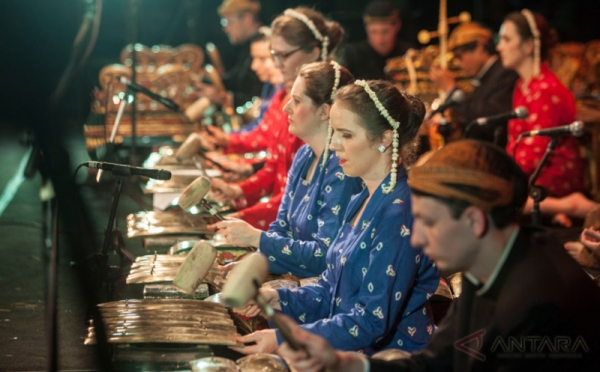
Indonesia’s cultural diversity means each region has its own customs and languages. However, there are fundamental values and behaviors that expats should understand before moving.
1. Social norms and etiquette
One of the most important aspects of Indonesian culture is the emphasis on harmony and respect. Indonesians tend to avoid conflict and prioritize maintaining good relationships.
Communication is often indirect. Instead of saying “no” outright, people may respond in a more subtle way to avoid offending others. For expats, this can sometimes be confusing, but understanding this communication style is key to building strong relationships.
Politeness is highly valued. Simple actions like smiling, greeting others, and speaking calmly can make a big difference in how you are perceived.
2. Respect for hierarchy and local customs
In Indonesia, hierarchy plays an important role in both social and professional settings. Age, job title, and social status influence how people interact.
It’s common to address people using respectful titles like “Bapak” (Mr.) or “Ibu” (Mrs./Ms.). Showing respect to elders and superiors is expected and appreciated.
Small cultural gestures also matter. For example:
- Use your right hand when giving or receiving something
- Avoid pointing with your finger
- Maintain a polite and calm demeanor
Understanding these customs will help expats integrate more smoothly into Indonesian society.
3. Religion in Indonesia
Religion is a central part of daily life in Indonesia. The country officially recognizes Islam, Christianity, Hinduism, Buddhism, and Confucianism, with Islam being the majority religion.
You’ll notice religious practices in everyday routines, such as prayer times and religious holidays. During Ramadan, for example, many Muslims fast during the day, and expats are encouraged to be respectful in public spaces.
Understanding religion in Indonesia helps expats avoid cultural misunderstandings and shows respect for local beliefs.
4. Family values in Indonesian culture
Family is one of the strongest pillars of Indonesian culture. Unlike many Western cultures that emphasize independence, Indonesians are highly family-oriented.
Extended families often stay connected, and important decisions may involve family input. It’s common for people to prioritize family events and obligations over work or social plans.
For expats, recognizing the importance of Indonesian family values can improve both personal and professional relationships.
5. Gotong royong as the spirit of community
A key concept in Indonesian society is gotong royong, which means mutual cooperation. This reflects the strong sense of community where people help each other voluntarily.
Whether it’s neighborhood activities or workplace collaboration, this value plays a big role in daily life. Expats who participate in community interactions often find it easier to build connections and feel at home.
6. Understanding “jam karet”
Expats may encounter the concept of jam karet, or “rubber time,” which refers to a flexible approach to punctuality. This is more common in informal or social settings, where schedules are seen as approximate rather than strict.
For example, a social event scheduled at 7 PM may realistically start later. This flexibility is generally accepted and not considered rude.
However, expectations differ in professional environments. In corporate or international workplaces, punctuality is increasingly important. Understanding the context will help you navigate time expectations effectively.
Traditional Indonesian Culture Meets Modern Lifestyle
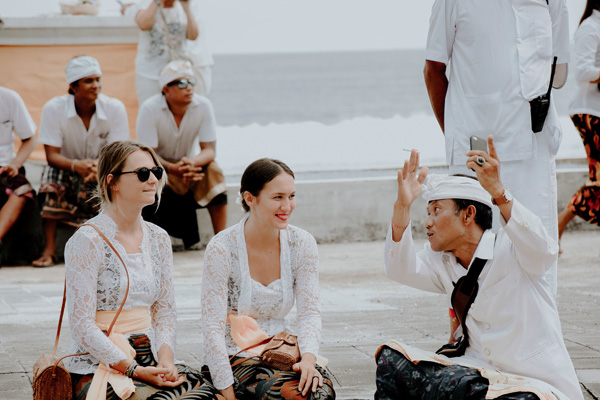
Indonesia offers a unique blend of tradition and modernity, where centuries-old customs continue to shape everyday life—even in fast-paced urban environments. Rather than replacing tradition, modernization in Indonesia often exists alongside it.
Take Bali, for example. Despite being a global tourist destination with modern cafes, coworking spaces, and luxury villas, daily life is still deeply rooted in Hindu traditions. You’ll often see small offerings (canang sari) placed on sidewalks, in shops, and even on motorbikes every morning. Major religious ceremonies can temporarily close roads, and locals prioritize these rituals regardless of their work schedules.
In Java, particularly in cities like Yogyakarta or Solo, traditional values such as politeness, humility, and respect for hierarchy remain strong. Even in corporate offices, communication tends to be refined and indirect. Cultural practices like wearing batik on certain days or observing traditional ceremonies are still common, reflecting how heritage is preserved in modern settings.
Meanwhile, in metropolitan cities like Jakarta, the contrast is even more visible. You might spend your day in a high-rise office, order food through apps, and commute using ride-hailing services—yet still encounter traditional elements. For instance, office buildings may host selamatan (communal thanksgiving meals), employees may take time off for religious events, and cultural holidays are widely celebrated. It’s also common to see people switching seamlessly between modern attire and traditional clothing depending on the occasion.
This coexistence means that as an expat, you’re not expected to fully adopt traditional practices, but showing awareness and respect—such as being mindful during ceremonies or participating when invited—can help you integrate more smoothly.
Tips for Expats Living in Indonesia
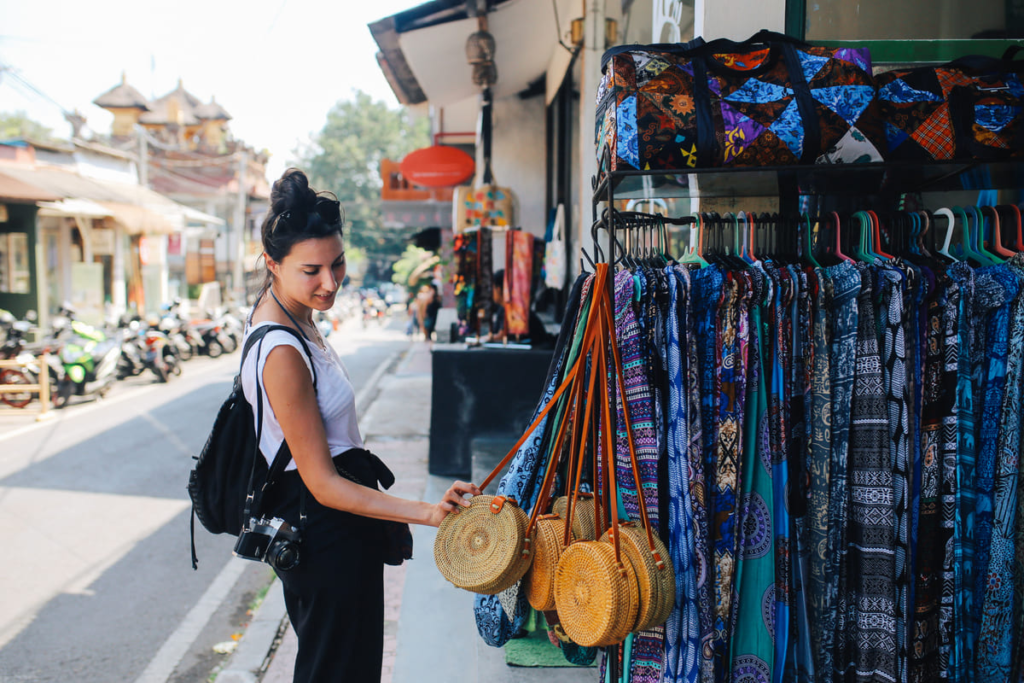
Adapting to Indonesian culture doesn’t mean changing who you are—it’s about understanding local expectations. Here are a few tips:
- Be patient and open-minded
- Observe and follow local customs
- Show respect in communication and behavior
- Participate in community activities
- Learn basic Indonesian phrases
Understanding Indonesian culture for expats is key to enjoying a smoother and more meaningful experience. From social etiquette and religion to family values and traditions, each aspect plays an important role in shaping daily life.
By being respectful, adaptable, and curious, expats can build strong relationships and truly enjoy everything Indonesia has to offer. Living in Indonesia is not just about adjusting—it’s about embracing a culture that values community, respect, and harmony.
To adjust smoothly to life in Indonesia, finding the right place to live is just as important as understanding the culture. A well-located and comfortable residence can help you experience daily life more easily and connect with your surroundings.
At Rukita, expats can find a wide range of options—from affordable co-living spaces to exclusive apartments—tailored to different needs and lifestyles. With strategic locations close to office areas, hospitals, public transportation, and shopping centers, Rukita helps make your daily life in Indonesia more convenient and hassle-free.
Don’t forget to download Rukita app via Google Play Store or App Store or visit www.rukita.co. Follow Rukita’s Instagram account @rukita_indo, X/Twitter account @rukita_id, and TikTok account @rukita_id to get the most recent information and other interesting deals!
Bagikan artikel ini