How Solar Thermal Water Heaters Help Rukita Create More Sustainable and Comfortable Living

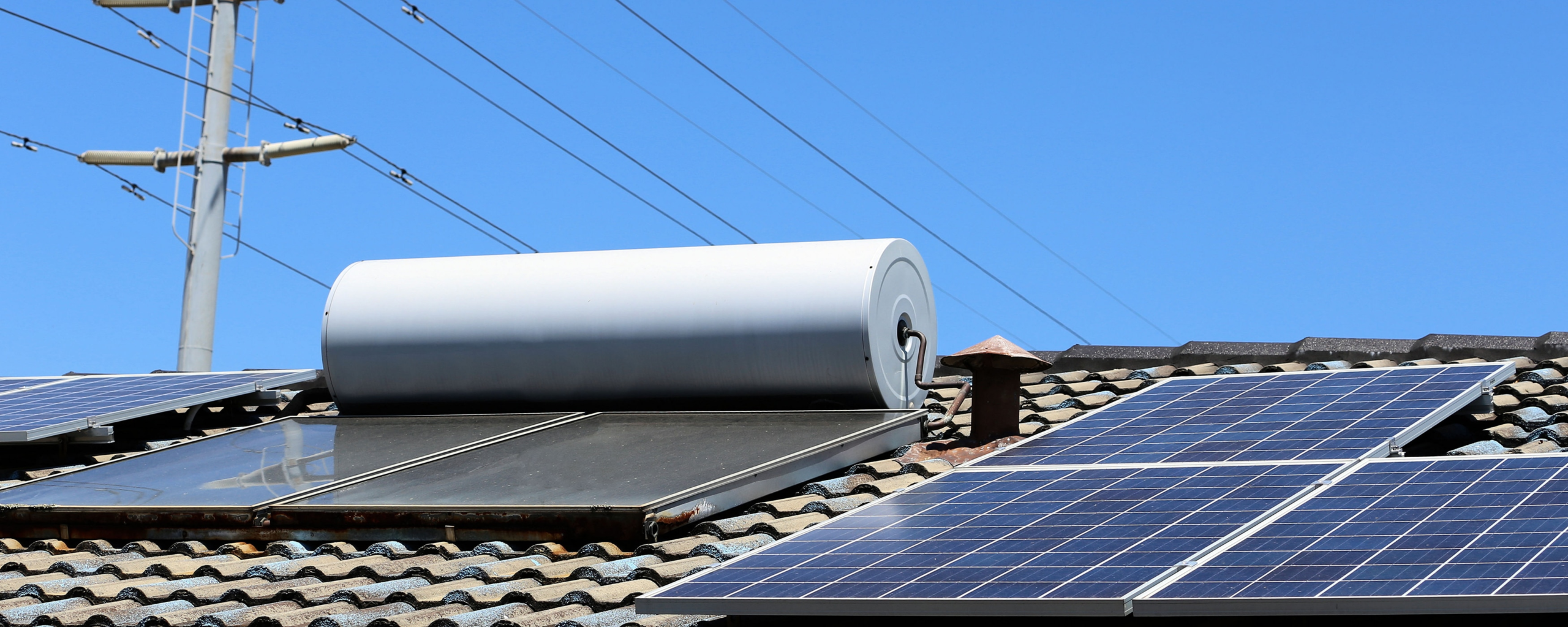
Harnessing solar energy for smarter urban living.
As cities continue to grow, so does the demand for housing that is not only comfortable and accessible but also environmentally responsible. Buildings account for a significant share of global energy consumption, making them one of the sectors with the greatest opportunity to reduce carbon emissions through smarter design and more efficient technologies.
At Rukita, sustainability is embedded into the way properties are developed and managed. Rather than treating ESG as a separate initiative, the company continuously looks for practical innovations that improve operational efficiency while creating a better living experience for residents.
One example is the implementation of Solar Thermal Water Heater technology at Rukita Deluxe Nismara Abdul Majid, where renewable energy is integrated into a facility residents use every day.
Also Read: Living Low Carbon at Your Coliving Space: Simple Habits That Make a Real Difference
Making Renewable Energy Part of Everyday Living

Hot water is often viewed as a standard amenity, but behind every shower is an energy-intensive process. Conventional water heating systems rely heavily on electricity, contributing to higher operational costs and increased carbon emissions over time.
To address this challenge, Rukita introduced Solar Thermal Water Heater technology, which utilizes solar heat as its primary energy source to produce hot water. Unlike photovoltaic solar panels that first convert sunlight into electricity, solar thermal systems capture heat directly from the sun and transfer it to water, making the heating process significantly more efficient.
For Rukita, the initiative goes beyond adopting renewable energy, it is about rethinking how buildings operate more sustainably. As Ananda Putra, Rukita Sustainability (ESG) Manager, explained, “Here, we don’t just manage properties, we also manage energy. The sun is more than just light coming through the window; it has become an essential source of everyday comfort.”
This philosophy underpins the adoption of solar thermal technology, transforming renewable energy into a practical amenity that residents can experience every day. By reducing dependence on grid electricity, the system supports Rukita’s broader ambition to create buildings that are both energy-efficient and environmentally responsible without compromising resident comfort.
Improving Building Performance Through Smarter Technology
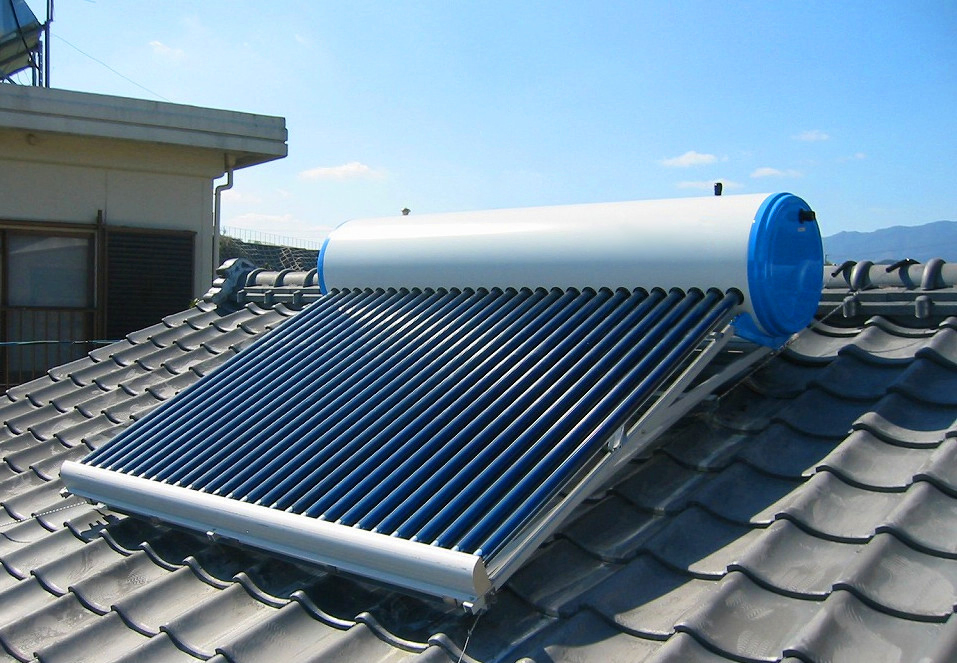
The adoption of Solar Thermal Water Heater is part of Rukita’s ongoing effort to optimize building operations through practical, high-impact innovations. “When integrating new technologies, we always prioritize the latest generation of innovations that deliver measurable improvements in efficiency and resident comfort,” said Ananda.
Compared with conventional electric water heaters, the technology heats water more efficiently, allowing hot water to be produced up to four times faster while requiring significantly less electrical energy. The system also retains heat effectively, ensuring a reliable hot water supply throughout the day.
These improvements benefit both residents and property operations. Residents continue to enjoy reliable hot water, while property managers can reduce energy consumption, improve operational efficiency, and lower long-term energy costs.
Turning Sustainability into Measurable Results
At Rukita, sustainability initiatives are measured not only by their environmental ambition but also by tangible outcomes. The implementation of Solar Thermal Water Heater technology contributes to electricity savings of approximately 2.14 kWh per room per day, equivalent to around 2,343 kWh annually for each property.
These energy savings translate directly into environmental benefits. Every year, the technology helps prevent approximately 1.7 tonnes of CO₂ emissions, comparable to the annual carbon absorption capacity of around 77 mature trees.
Beyond reducing electricity consumption, the technology also improves heating performance. “By maximizing the sun’s thermal energy, our latest-generation solar thermal water heater can heat water three to four times faster than previous-generation systems,” Ananda explained.
The initiative also contributes to Rukita’s broader decarbonization efforts, helping the company achieve a carbon intensity that is 26.1% lower than the national average. Together, these results demonstrate how practical operational improvements can generate meaningful environmental impact when implemented consistently across a property portfolio.
Creating Value Beyond Environmental Performance
The value of sustainable building technologies extends beyond carbon reduction. Lower electricity consumption enables more efficient building operations, optimizes operational costs, and helps maintain the high-quality facilities residents expect.
For property owners, this translates into stronger long-term operational performance. For residents, the benefits of renewable energy are experienced through everyday comfort rather than visible infrastructure.
As Ananda described it, the initiative delivers “guilt-free comfort” allowing residents to enjoy hot showers powered by the sun while leaving a smaller carbon footprint. It is a simple yet meaningful example of how sustainable technology can enhance daily living without compromising convenience.
This balance between operational excellence, resident experience, and environmental responsibility reflects Rukita’s approach to ESG, where sustainability is not an additional feature but an integral part of delivering better homes.
The transition toward low-carbon buildings does not happen through a single breakthrough. It is driven by a series of practical decisions that collectively create lasting impact.
Through initiatives such as the adoption of Solar Thermal Water Heater technology, Rukita continues to demonstrate how renewable energy can be integrated into everyday living in ways that are both meaningful and measurable.
As the company expands its ESG journey, investments in efficient building technologies will remain an important part of its commitment to reducing environmental impact while creating healthier, more sustainable homes for Indonesia’s growing urban communities.
Bagikan artikel ini